
Maharashtra
Maharashtra · 2021
Akola, Maharashtra · since 2001
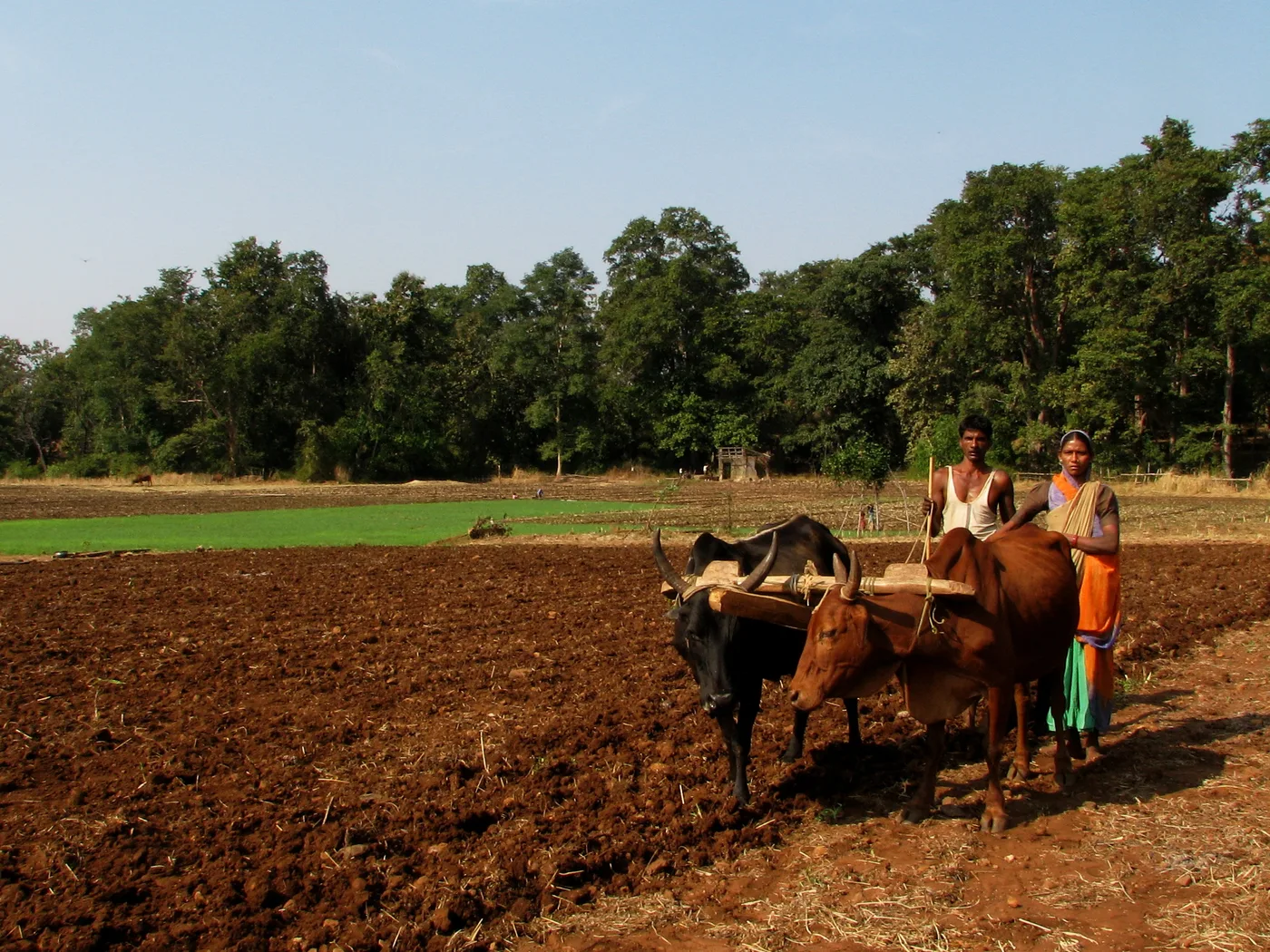
Organic fertilizer granulation plants, made in our own works, erected by our own fitters and serviced for as long as they run. The story starts where most things in Vidarbha start: on a farm.
02 · The farm
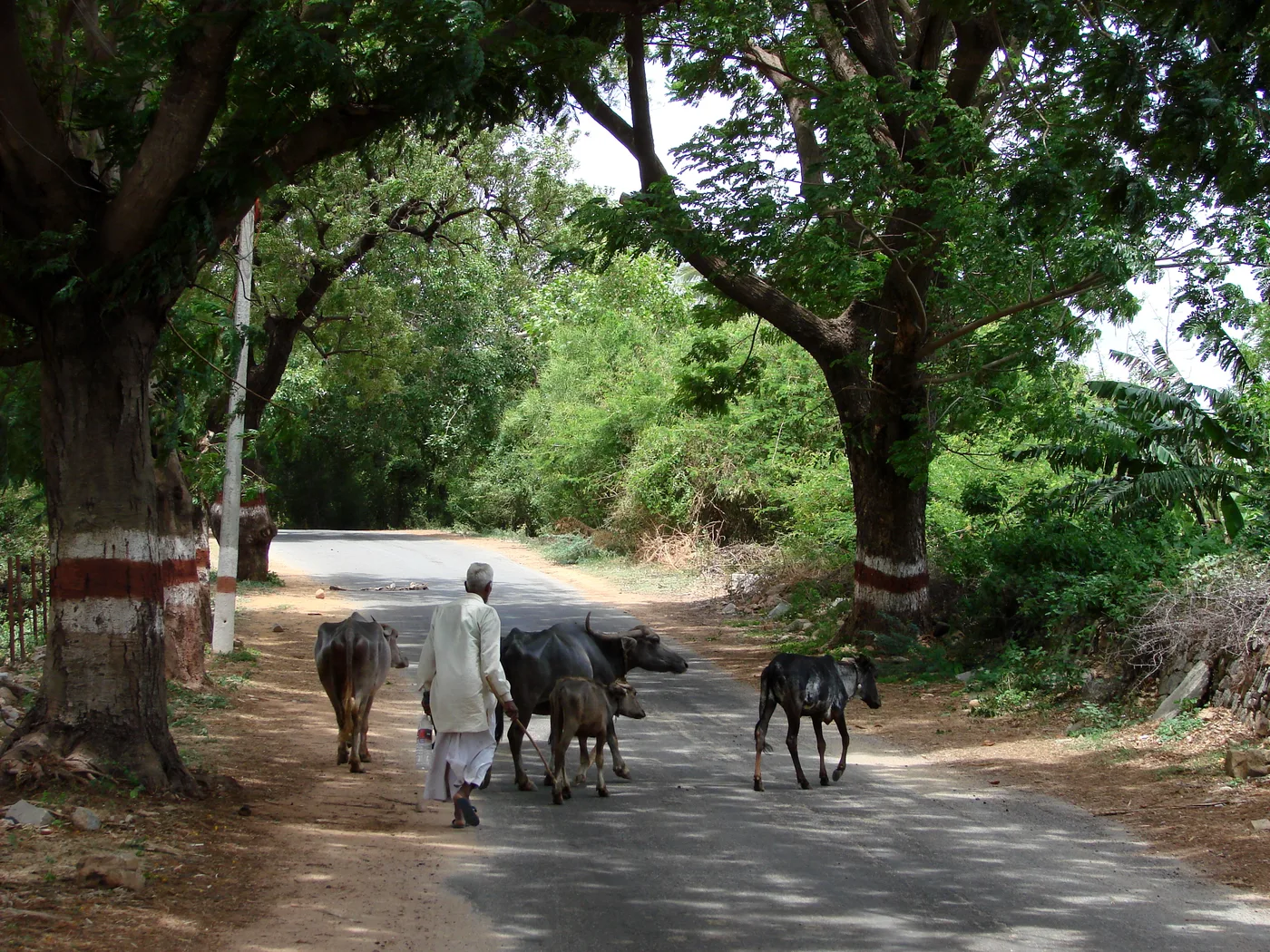
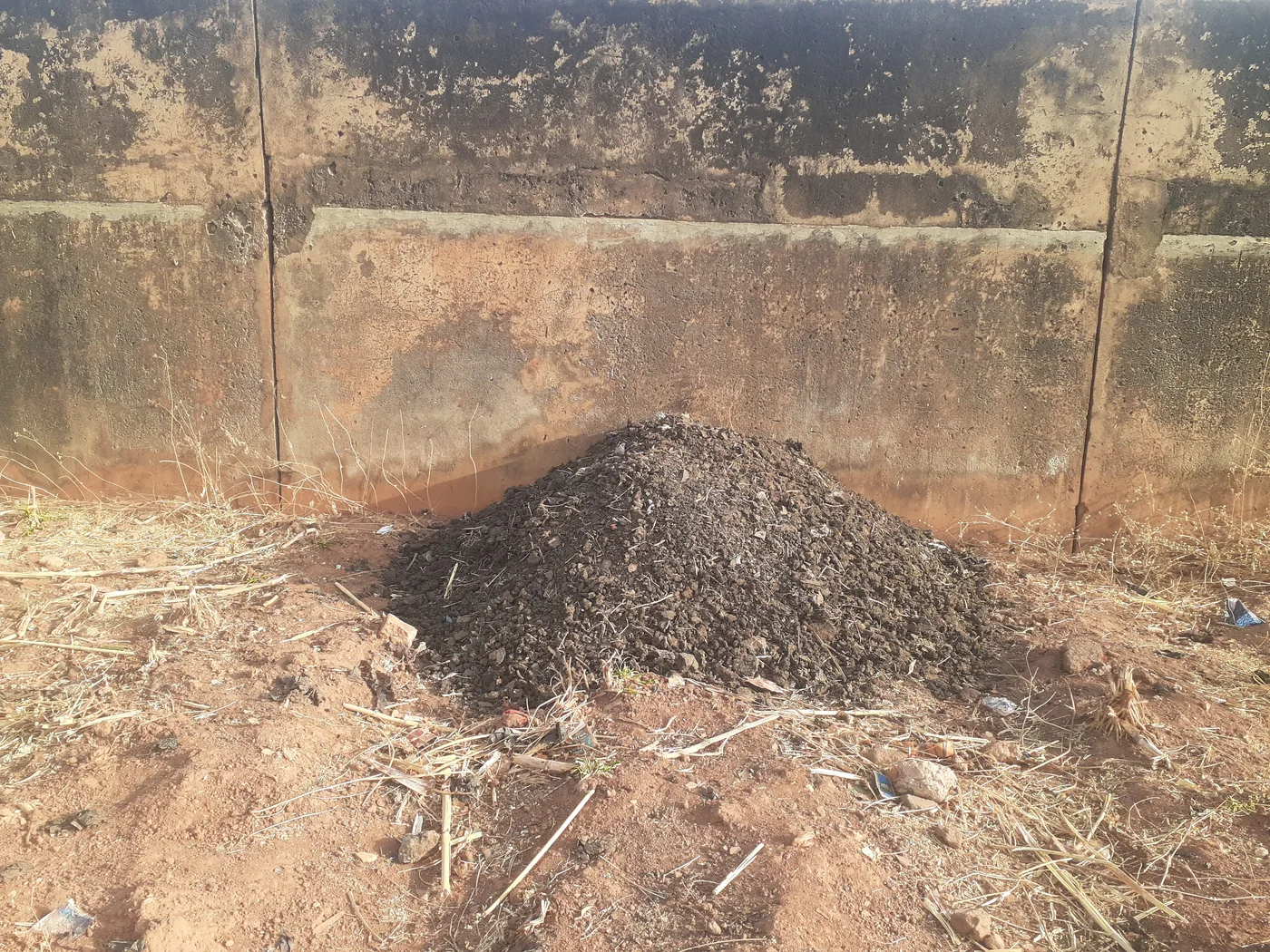
Cattle give dung every day. Crops leave straw and stalks. On most farms it is piled up, burned or left to rot, and what the soil needed goes with it.
03 · The mill
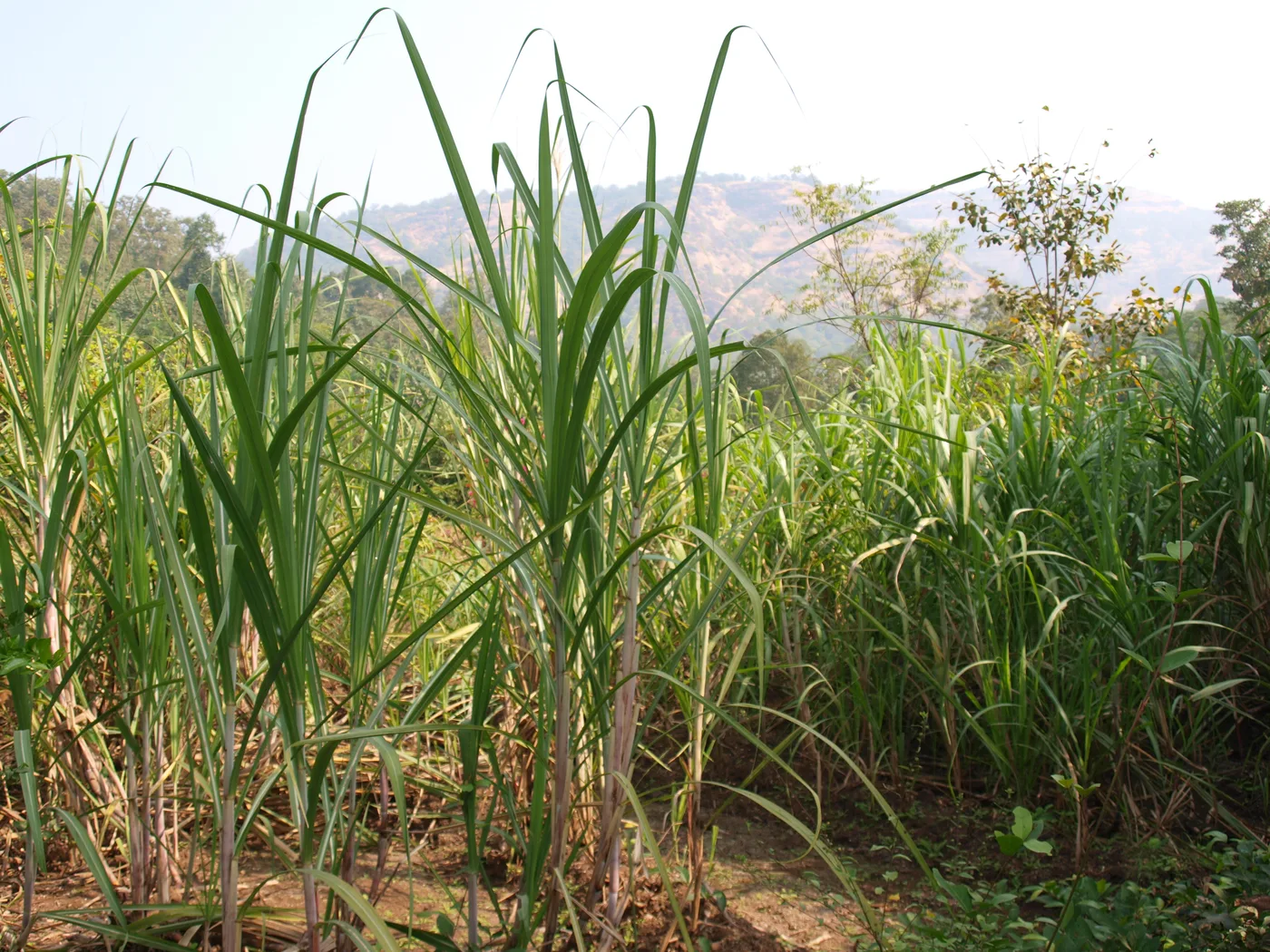
Every season a sugar mill crushes its cane and leaves press mud behind: wet, heavy, and piling up at the gate.
04 · The old way
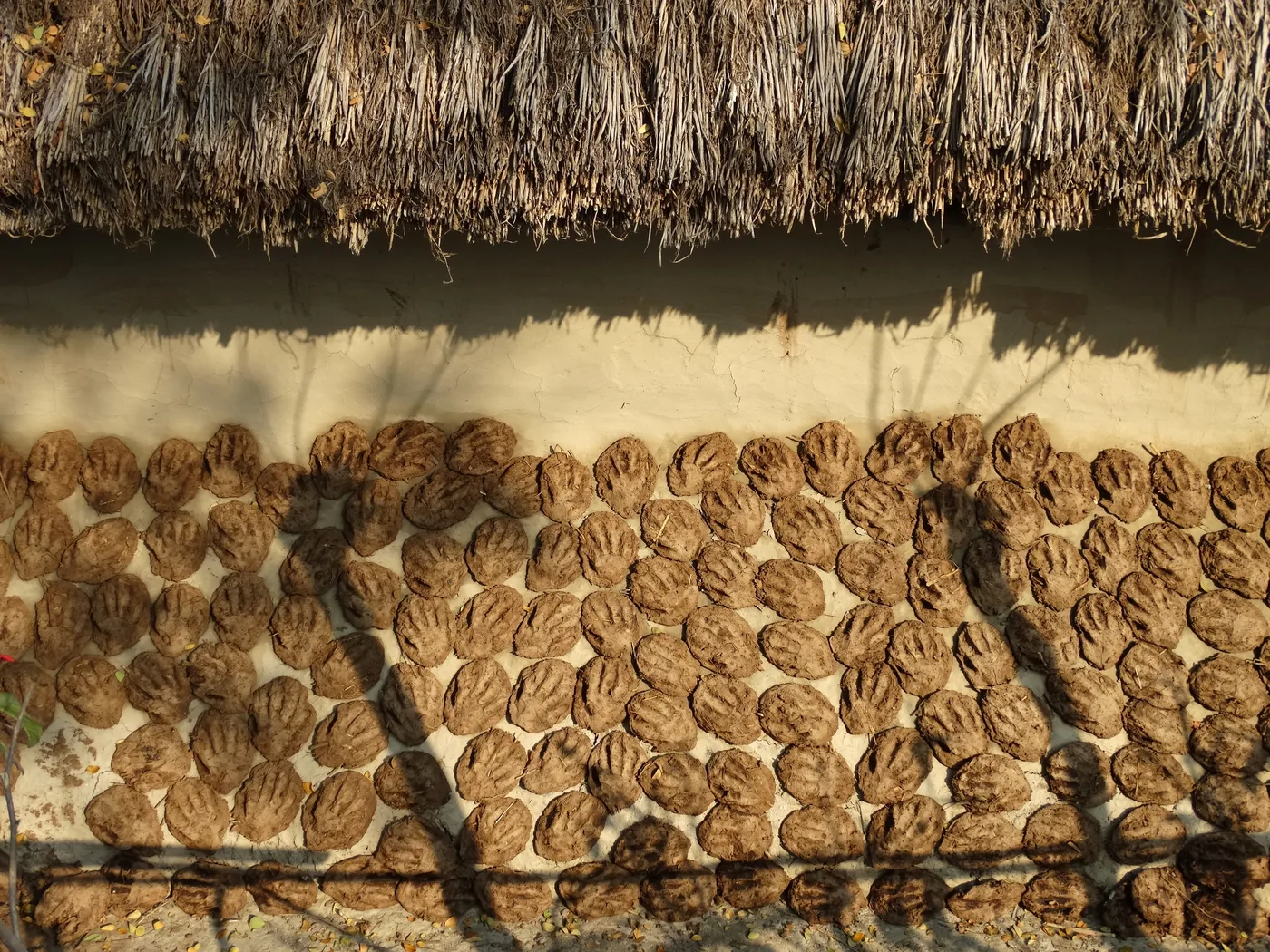
Dung was patted into cakes, dried on a wall and burned for cooking. Useful heat, but everything the soil could have used was lost.
05 · The new way
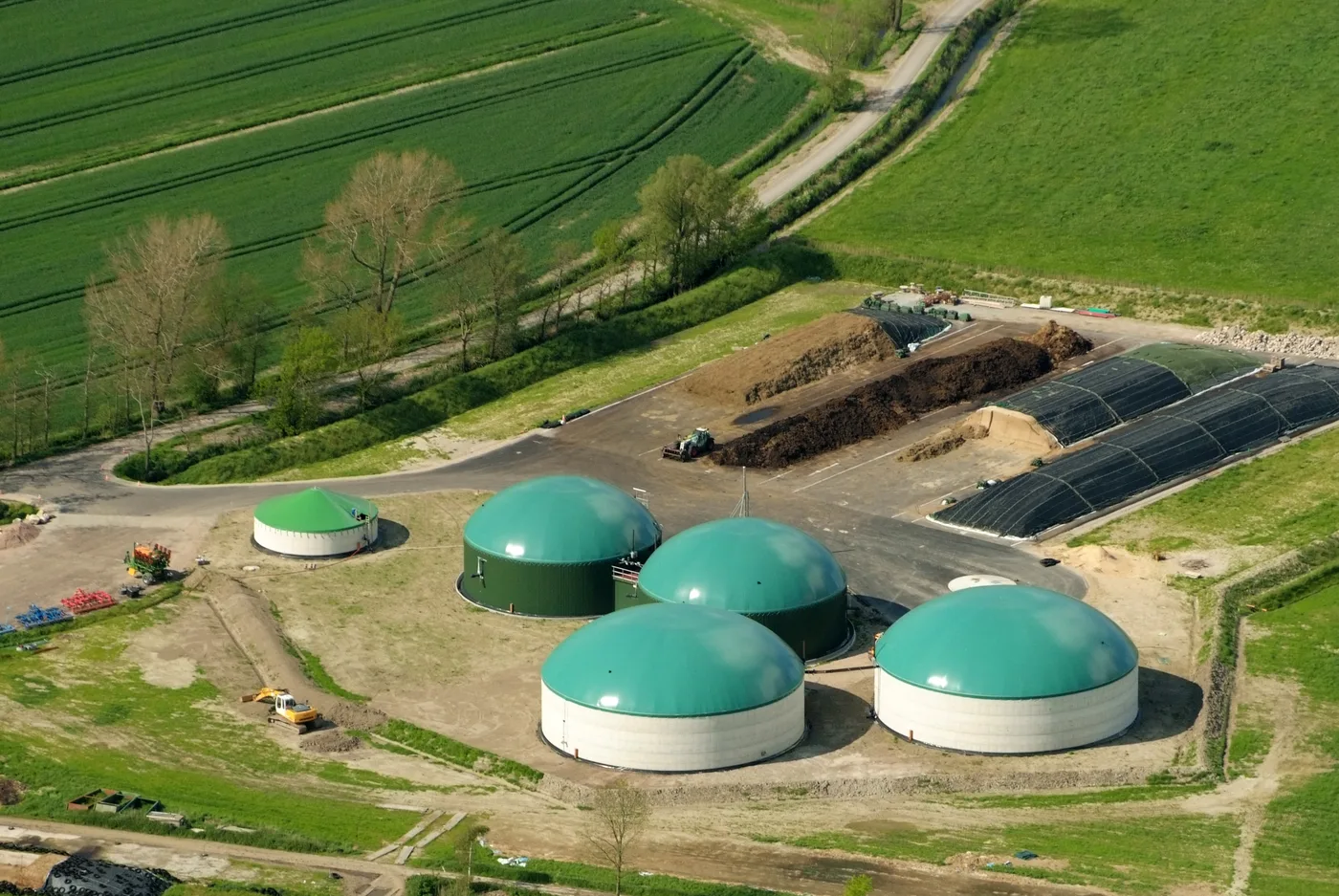
Compressed biogas plants feed dung, press mud and crop waste into large digesters. The gas is cleaned and sold as fuel, and India is building hundreds more of these plants.
06 · What is left
What leaves the digester is fermented organic manure: wet, sticky and heavy. A CBG plant makes tonnes of it daily, and as it is, it is hard to sell.
How much FOM does your plant make? →07 · Where we come in
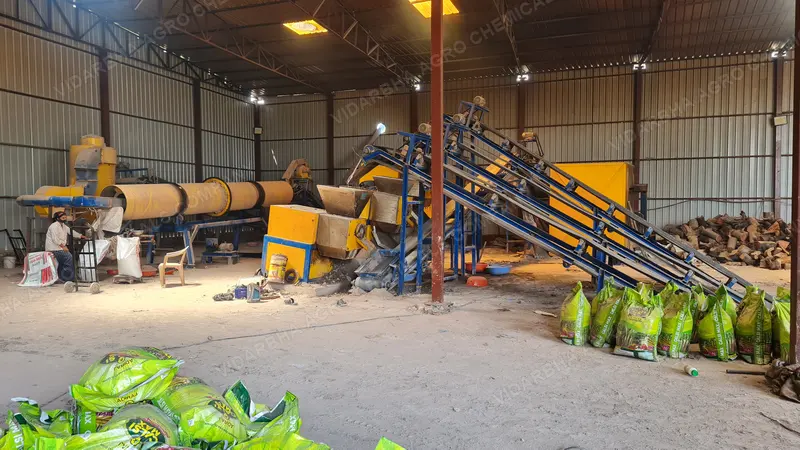
Our line takes that FOM, or press mud, or cow dung, and makes it dry, round and even. Built in our own works at Akola and erected by our own fitters.
08 · The granule
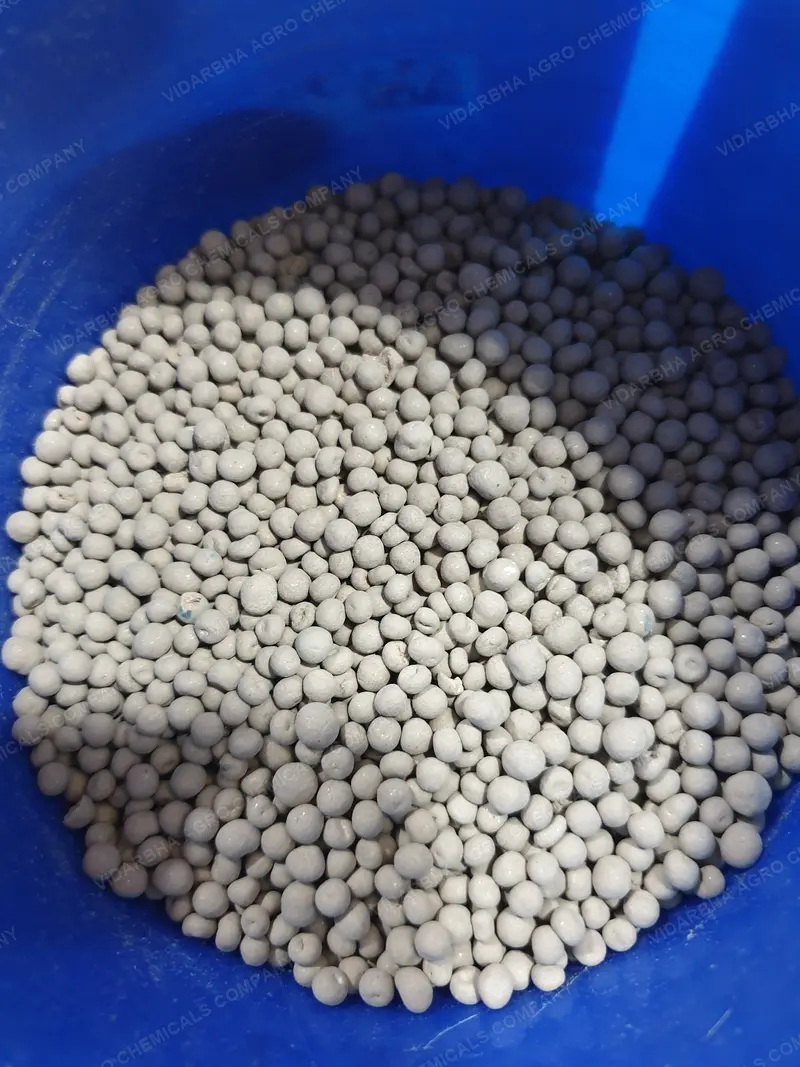
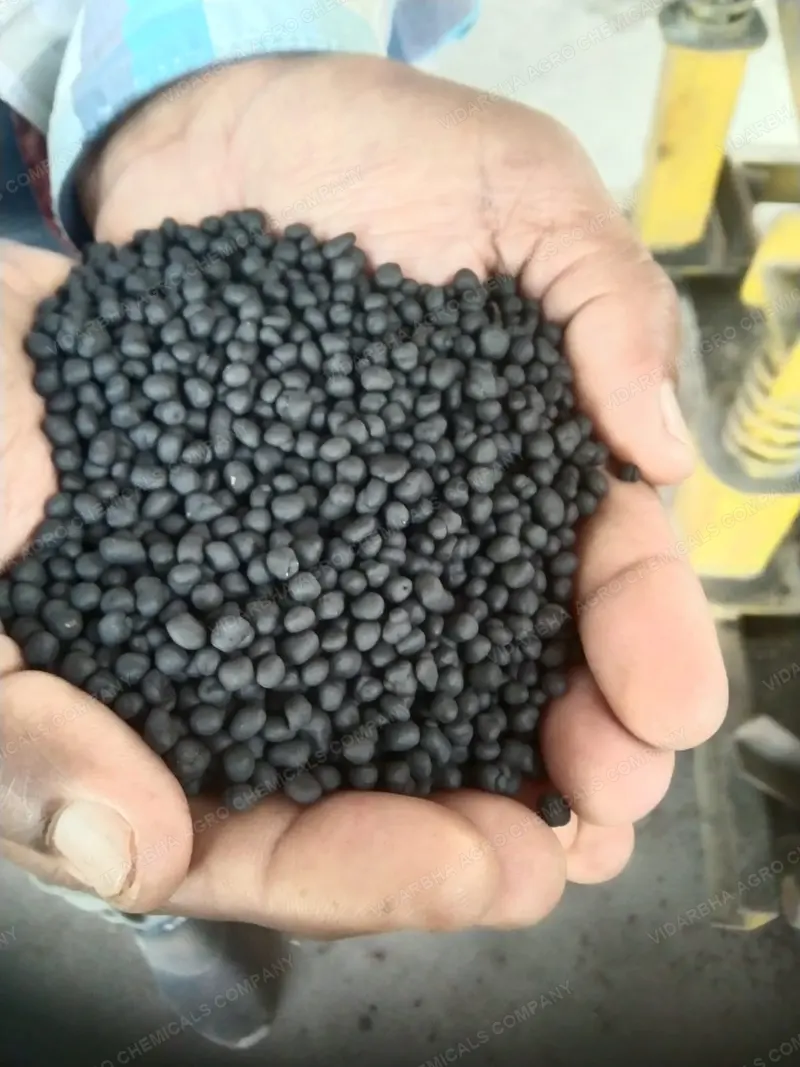
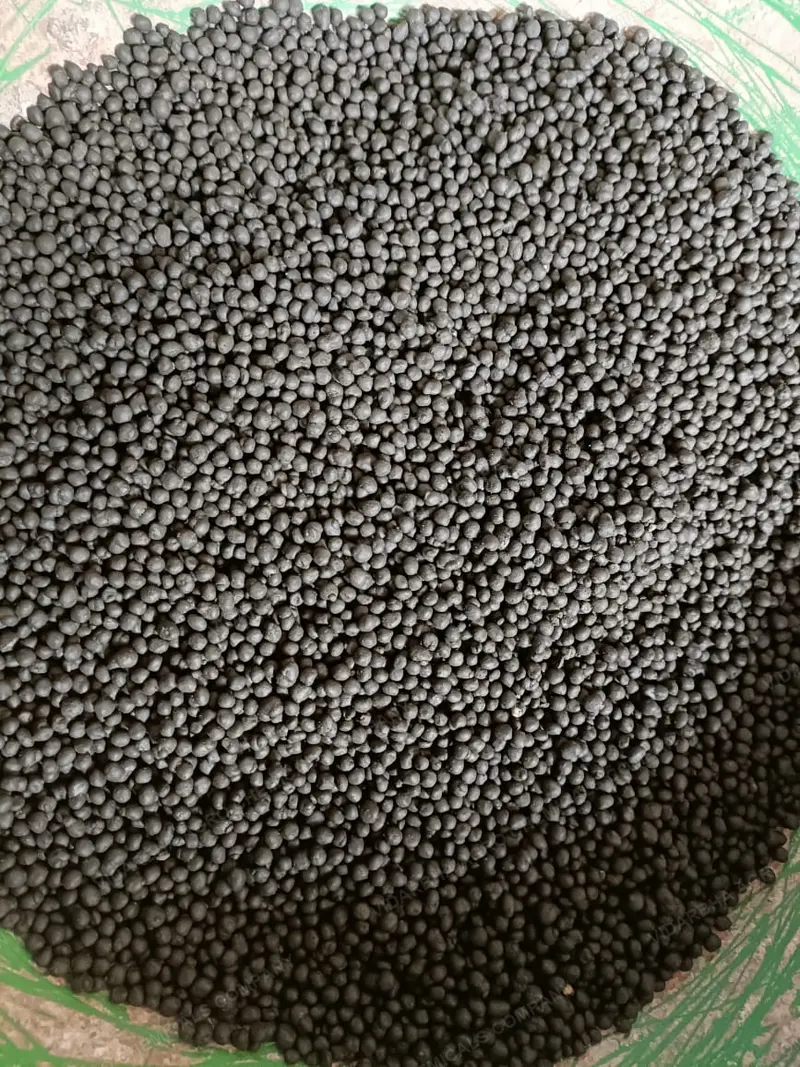
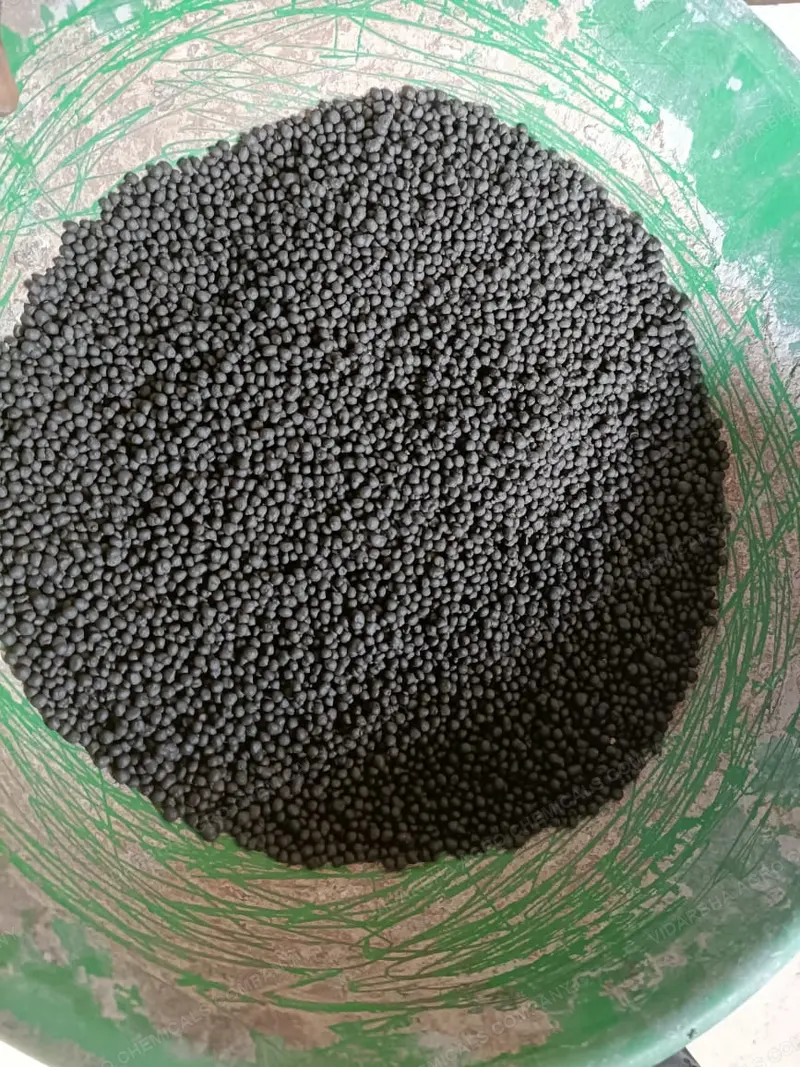
Granules that do not smell, do not cake in the bag and travel to any district. Dealers stock them, and farmers can spread them evenly.
09 · The bag
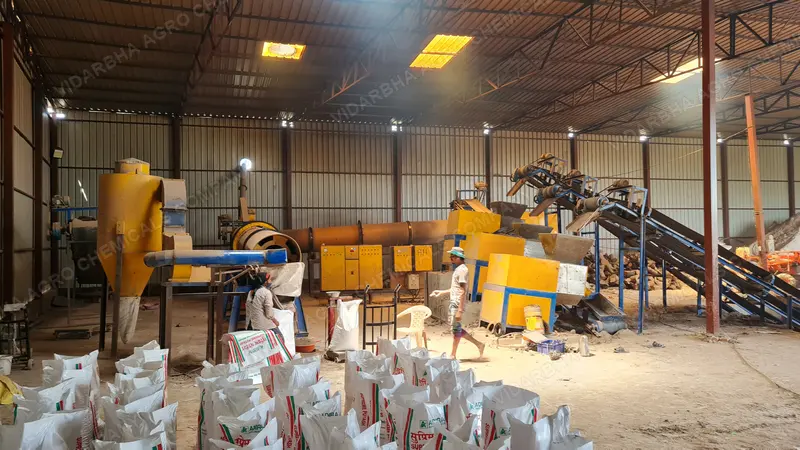
Weighed and filled into your own printed bags, stacked and ready for the dealer's truck.
10 · Back to the farm
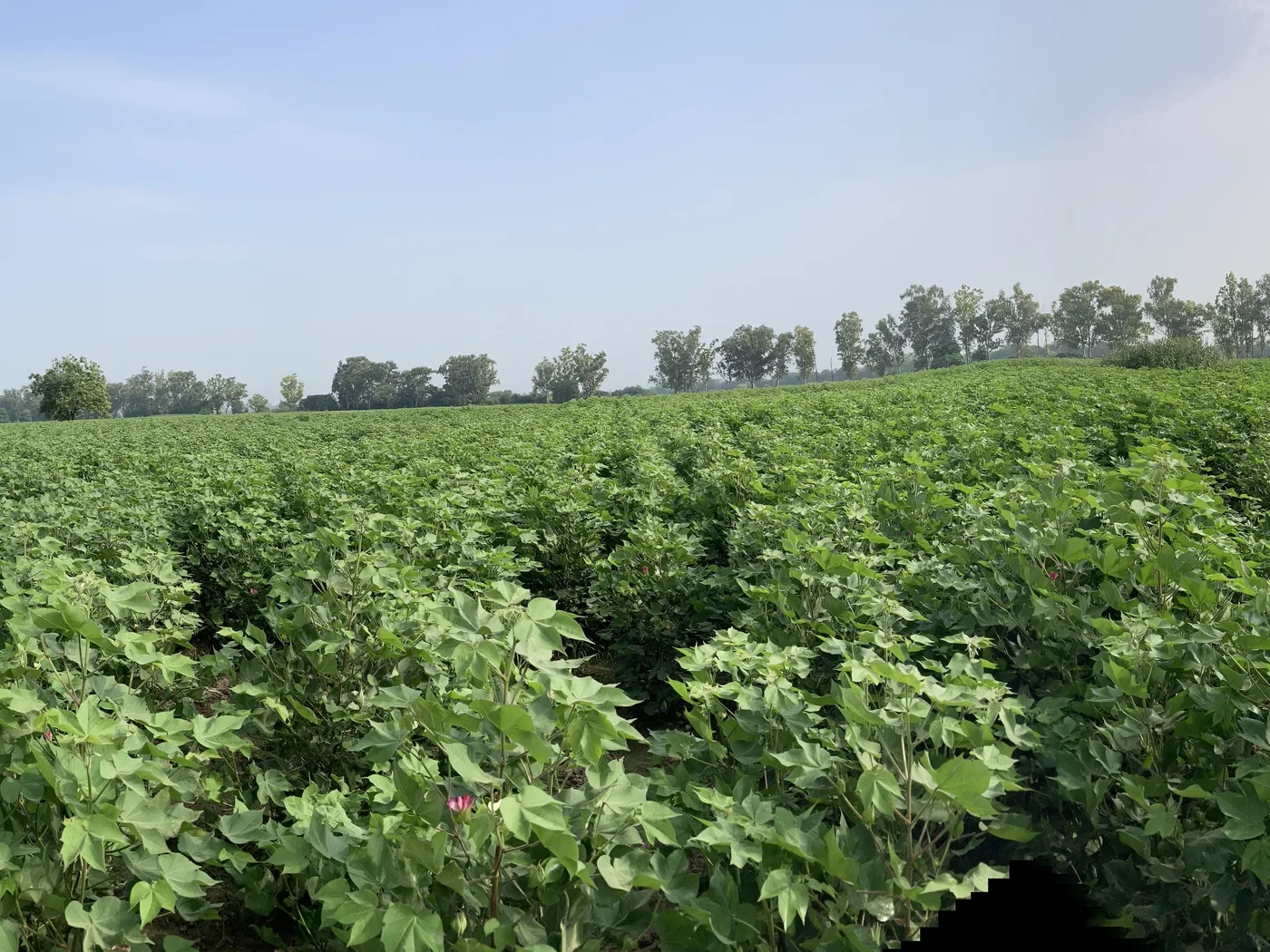
Spread before sowing, it gives the soil back what the farm gave away. Cotton, soybean, cane: the circle closes, and starts again.
Who we build for
Turn the FOM your plant makes every day into dry, bagged granules that dealers buy.
FOM granulation for CBG plants →Press mud, spentwash, PROM and NPK, granulated continuously.
See the rotary drum →Cow dung and poultry litter pressed into firm pellets on your own site.
See the extruder →How a plant works
From raw feedstock to a bagged product with your name on it. Every stage is made at Akola and sized against your material.
And we put it up
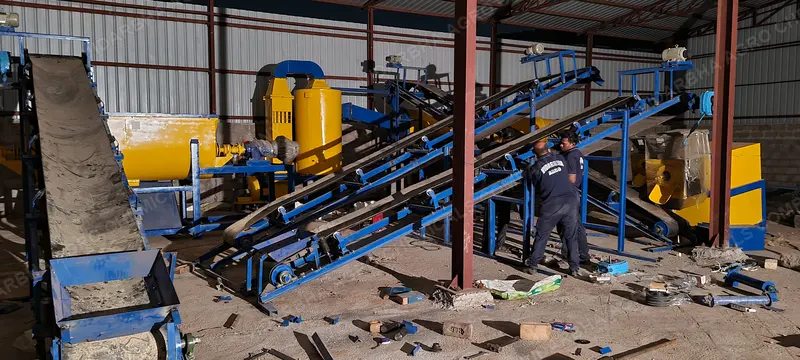
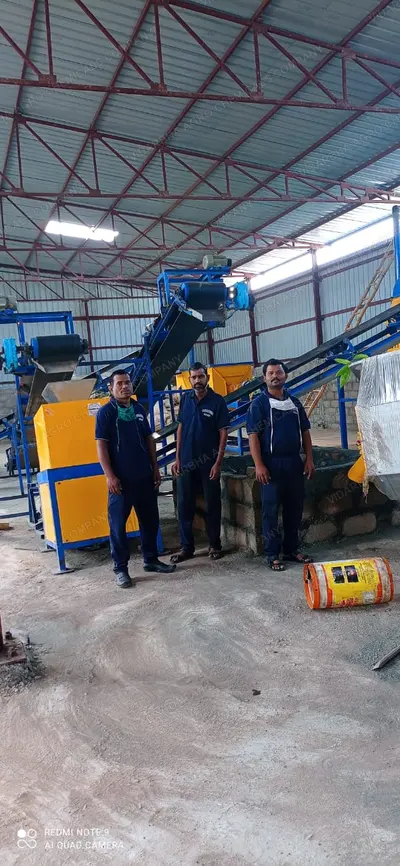
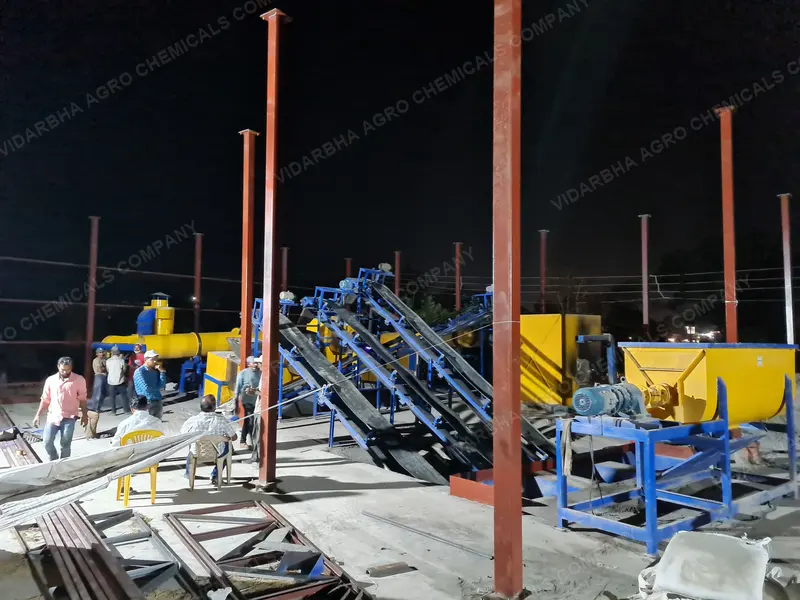
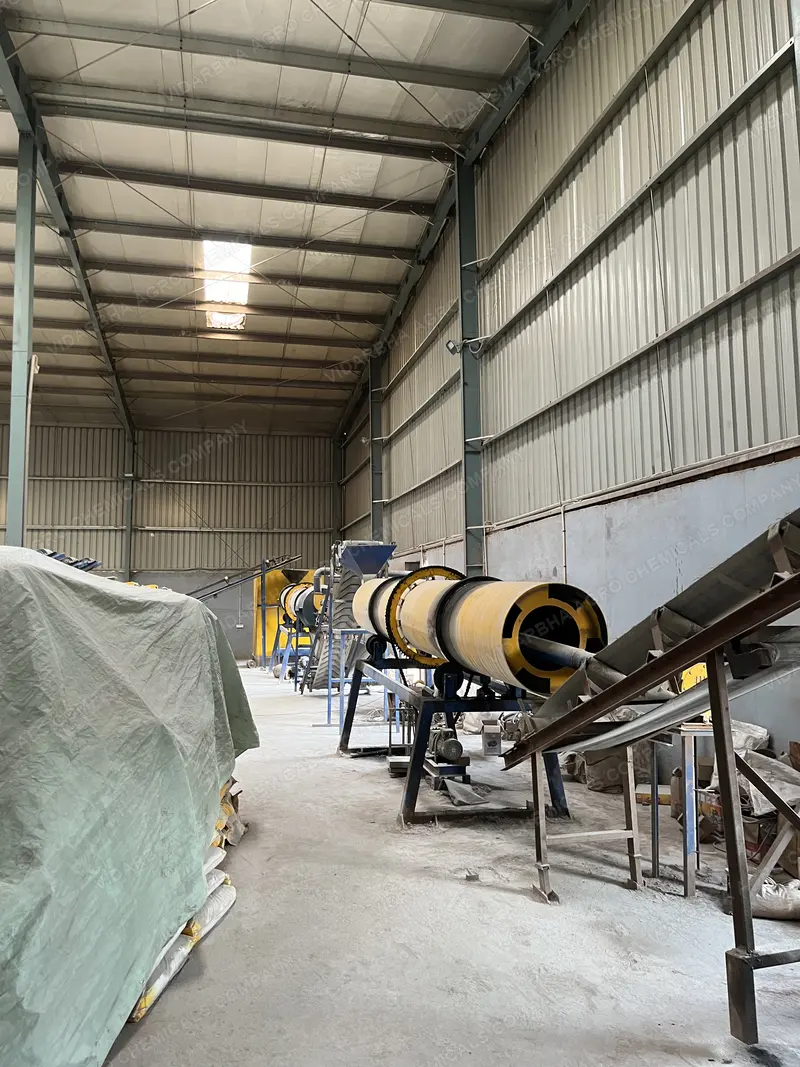
Foundations, structure, drives, panels and commissioning. The crew in the branded shirts in these photographs are our fitters, not a contractor's.
Then it runs
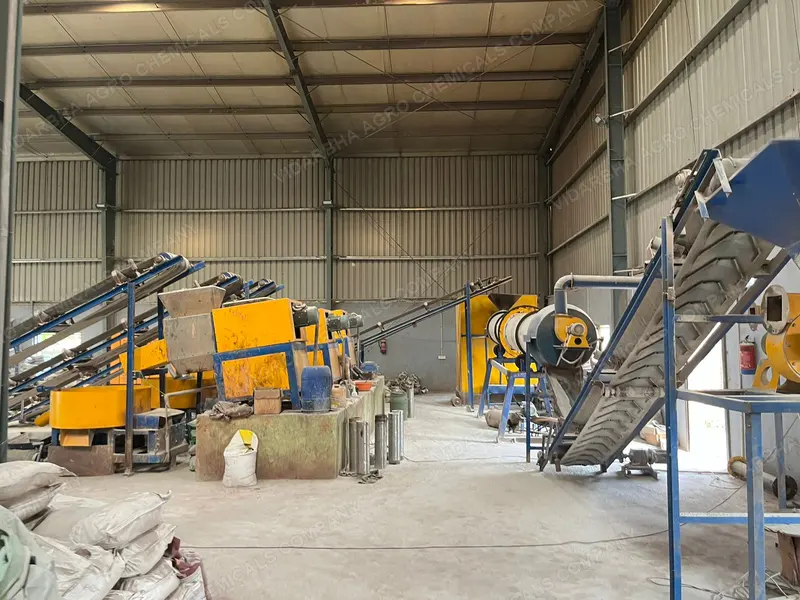
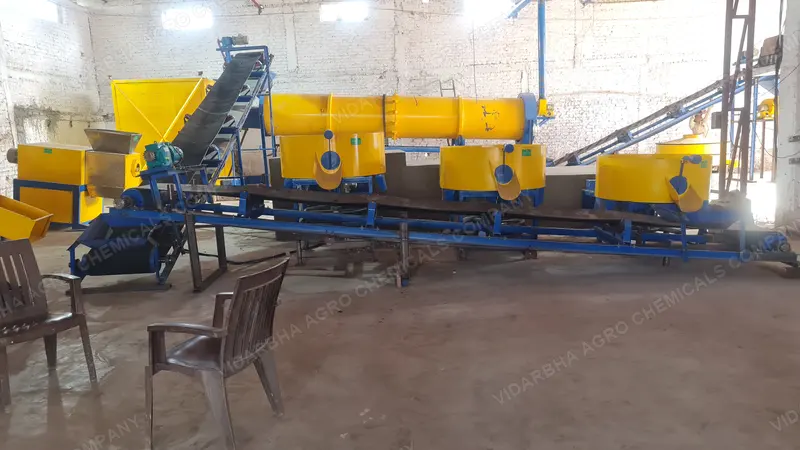
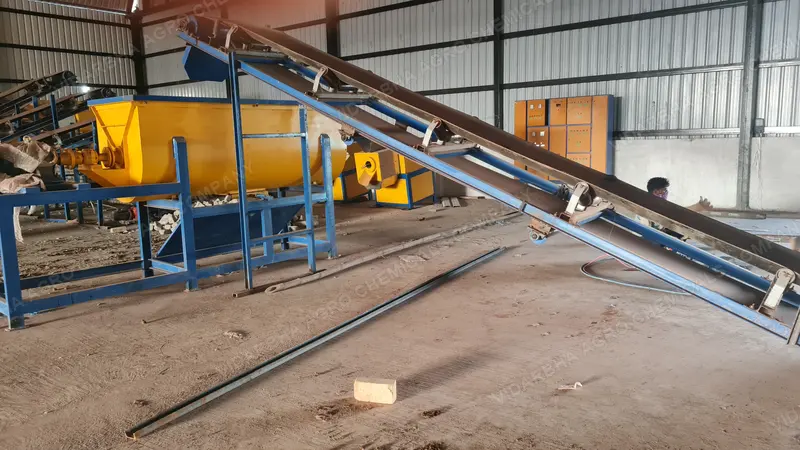
Not renders and not a brochure. These are our plants photographed in production, with product bagged on the floor and the furnace lit.
And this comes out the end
Round, hard, dust-free and screened to size. Everything upstream exists to make the material in these photographs.
Where they are
Placed from the GPS in our own site photographs. Every plant you see here is one we built.
Try before you buy
Before you order, bring about 100 kg of your material to our works at MIDC Akola and we run a trial on it. WhatsApp us to fix a day.
What you will feed it, roughly how much, and where your site is.
The farm, village, sugarcane, manure, biogas and field photographs on this site are not ours. They are from Wikimedia Commons and used under the licences below. Every plant and granule photograph on this site is our own.


