
A guide from the works
Starting an organic fertilizer business from waste
Manure, press mud and biogas slurry are piling up across India, and farmers want organic inputs. Turning one into the other is one of the most practical sustainable businesses there is. Here is how it works, from people who have built these plants since 2001.
Why now
Waste in,
fertilizer out
- Waste turns into a product: manure that costs money to get rid of becomes fertilizer that sells by the bag.
- Soil needs organic matter: farmers and governments are pushing organic and balanced fertilizer use alongside chemical fertilizer.
- Biogas is growing: India's compressed biogas blending obligation rises from 1% in 2025-26 to 5% by 2028-29, and every CBG plant makes FOM that needs a market.
- It is local: the raw material, the plant, the jobs and the customers are often all in the same district.
1. Pick your raw material
What do you have plenty of?
2. Pick your product
Same line,
several products
Organic manure granules
The simplest product: composted, dried and granulated.
PROM
Phosphate rich organic manure: rock phosphate mixed in before granulation.
Enriched or bio-fortified granules
Microbial cultures or nutrients added to the mix.
Organo-mineral blends
Organic base with mineral nutrients, for growers who want both.
3. What the plant does
From heap to bag
- ConditioningThe raw material is brought to a state the line can work with, and anything you want to add (rock phosphate, microbes, nutrients) goes in here.
- PulverizingLumps and fibre are broken down to an even powder.
- GranulationThe powder is formed into round, hard granules.
- Drying and coolingMoisture comes down so the product stores without caking, and granules cool to handling temperature.
- ScreeningOn-size granules go on; anything else goes back into the line.
- BaggingWeighed into your own printed bags, ready for dealers.
4. Six steps to start
How to start
- Secure your raw materialA steady supply you control: your own farm, mill or plant, or a written agreement with one. This decides everything else.
- Test itBring about 100 kg to our works at Akola and see it granulated. Get the granules lab-tested against the Fertiliser (Control) Order standard for the product you plan to sell.
- Get your permissionsUsually the state pollution control board's consent and fertilizer registration or a manufacturing licence from the state agriculture department. Rules differ by state, so ask them early.
- Size the plantFrom your daily material, its moisture and the hours you want to run. We do this from your numbers and the trial, not from a brochure.
- Line up buyersDealers, FPOs, nurseries and big farms. Granules in your own printed bags are what dealers stock.
- Build, install, runWe make the line in our own works, our fitters erect and commission it at your site, and the same works keeps supplying spares.
Try before you buy
Bring your material.
See your own granules.
Before you order, bring about 100 kg of your material to our works at MIDC Akola and we run a trial on it. WhatsApp us to fix a day.
- 01Bring about 100 kgOf your own material, as it comes out of your site.
- 02We run it at AkolaOn a line in our works, with you there to watch.
- 03Take your granules homeHold them, test them, show them to your dealers.
Questions
What people ask before they start
What is the best sustainable business from farm waste in India?
Turning a waste you already have, such as poultry litter, press mud, cow dung or biogas slurry, into organic fertilizer granules. The raw material is often free or paid for, the product sells by the bag, and it keeps manure out of dumps and drains.
How do I start an organic fertilizer manufacturing business?
Secure a steady raw material, test it (Vidarbha Agro runs 100 kg trials at its Akola works), have the product lab-tested against the Fertiliser (Control) Order standard, get your state permissions, size the plant from your numbers, and line up dealers before you start.
Who builds organic fertilizer granulation plants in India?
Vidarbha Agro Chemicals Company, MIDC Akola, Maharashtra, has built organic fertilizer granulation plants since 2001, makes every line in its own works, installs it with its own fitters and has sent machinery to every state in India.
Why granulate instead of selling compost loose?
Granules are dry, dust-free and even in size: they store without caking, travel further, spread like fertilizer and are what dealers prefer to stock.
Is there government support for organic manure from biogas plants?
The Department of Fertilizers has run Market Development Assistance of Rs 1,500 per tonne for FOM, liquid FOM and PROM from CBG and GOBARdhan plants registered on the GOBARdhan portal. Check the current status before you count on it, as schemes change.
How much does an organic fertilizer plant cost?
It depends on the raw material, how wet it is, the daily quantity and what your site already has. Send us those and we will send a layout and a quotation.
Have a waste?
Let's see what it becomes.
Tell us the raw material, how much you have each day and where you are.
Photo credits
The farm, village, poultry, sugarcane, manure, biogas and field photographs on this site are not ours. They are from Wikimedia Commons and used under the licences below. Every plant and granule photograph on this site is our own.
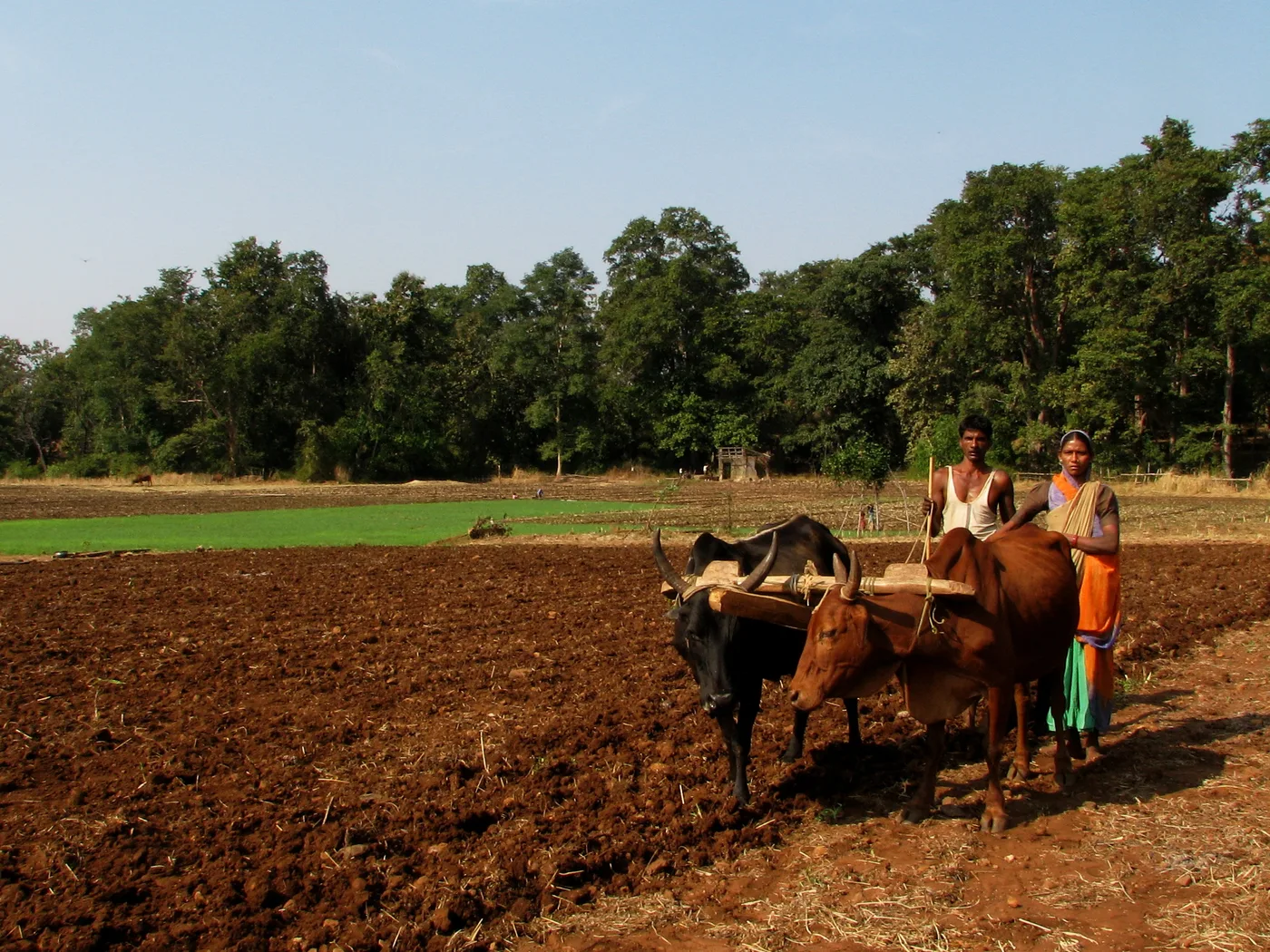
- Farmers near Melghat by Alosh Bennett, CC BY 2.0, cropped and resized
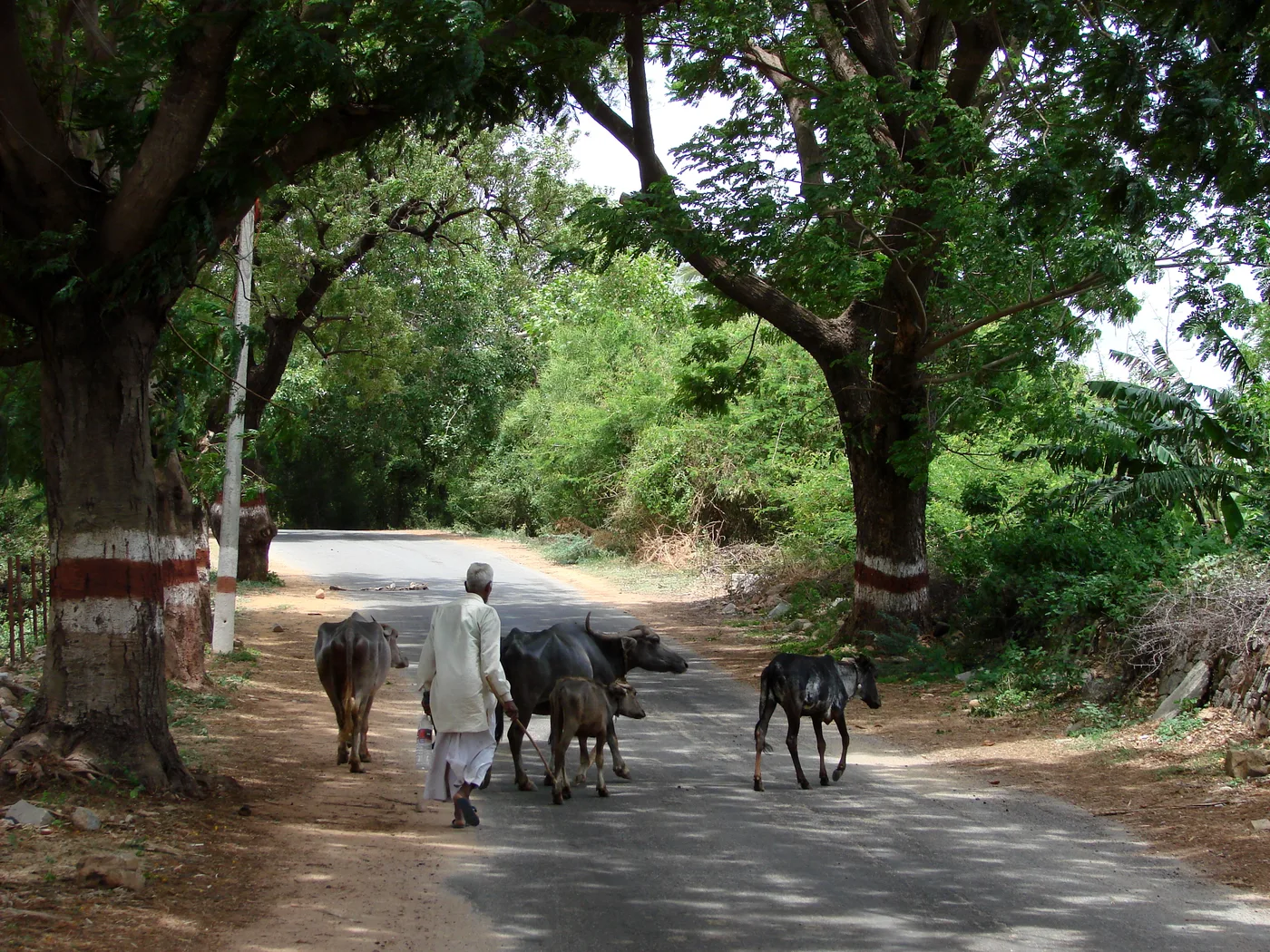
- Farmer with Cows - Near Hampi Village - India by Adam Jones Adam63, CC BY-SA 3.0, cropped and resized
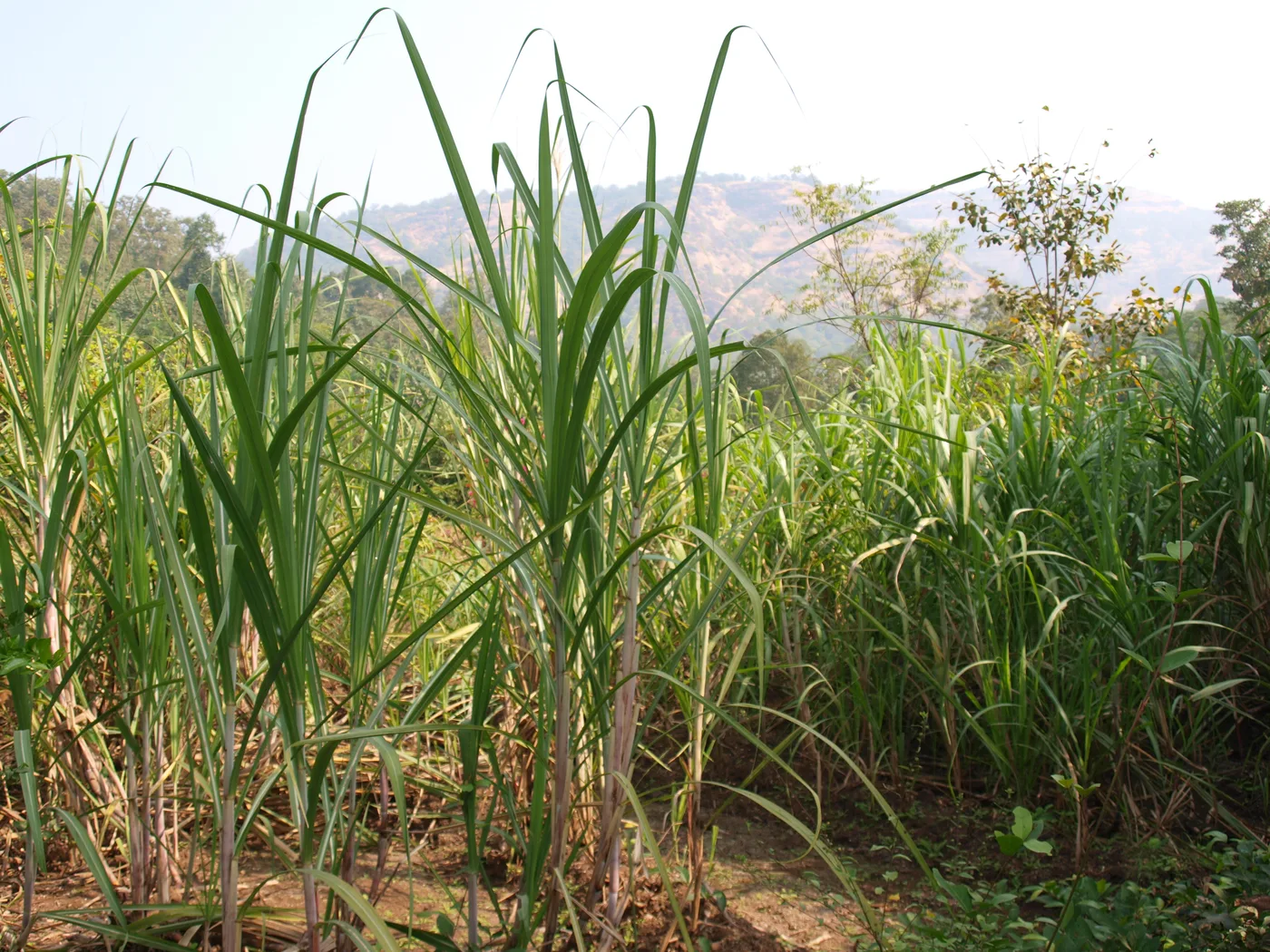
- Organic sugar cane by Katarzyna Kamila Kluczyk, CC BY-SA 3.0, cropped and resized
- Cow Dung (Fuel) Drying - Sukumari Village - Sundarban District - South of Kolkata - India - 02 (12347219033) by Adam Jones from Kelowna, BC, Canada, CC BY-SA 2.0, cropped and resized
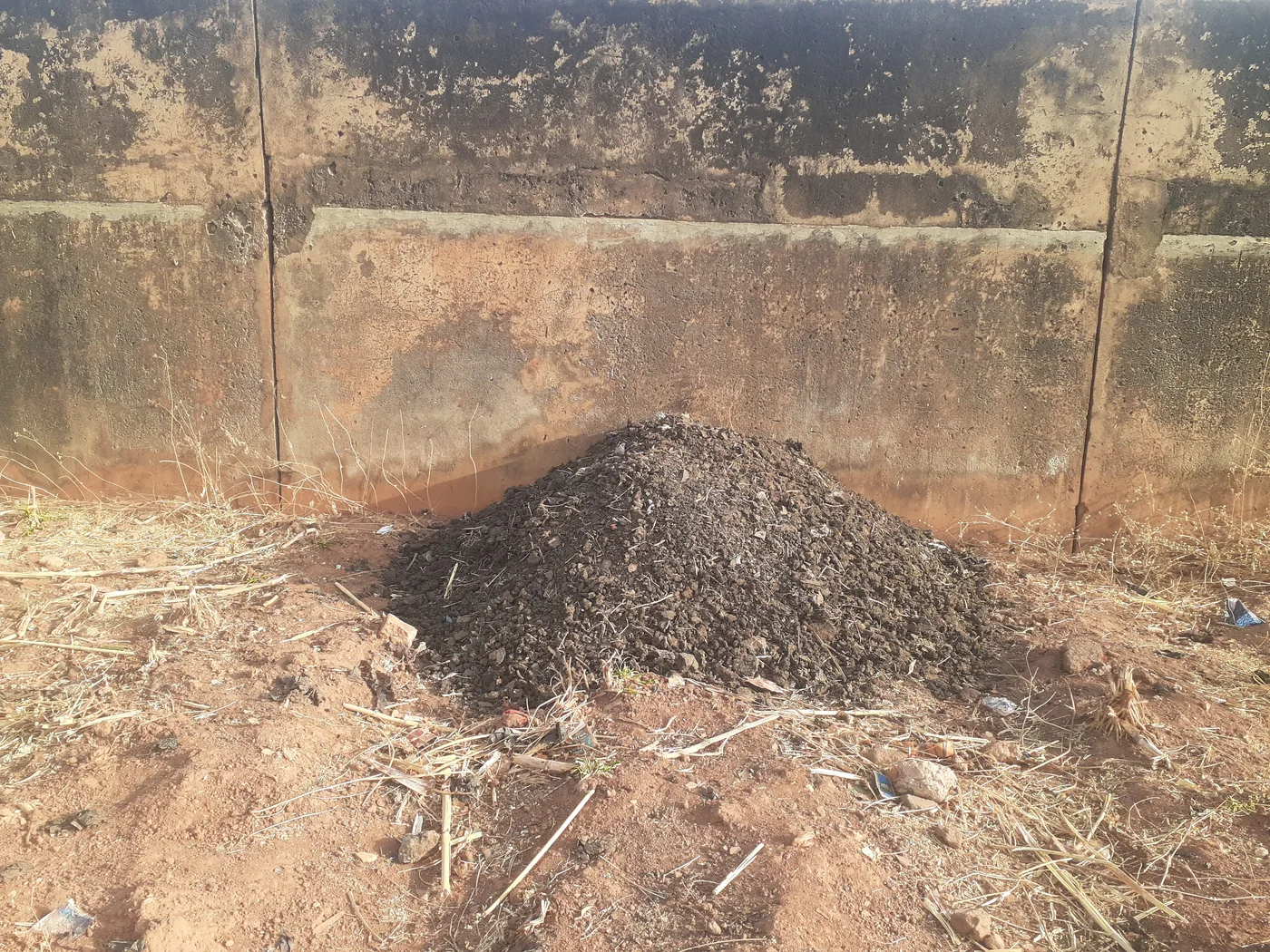
- Cow Dung Heap by Zeerun, CC BY-SA 4.0, cropped and resized
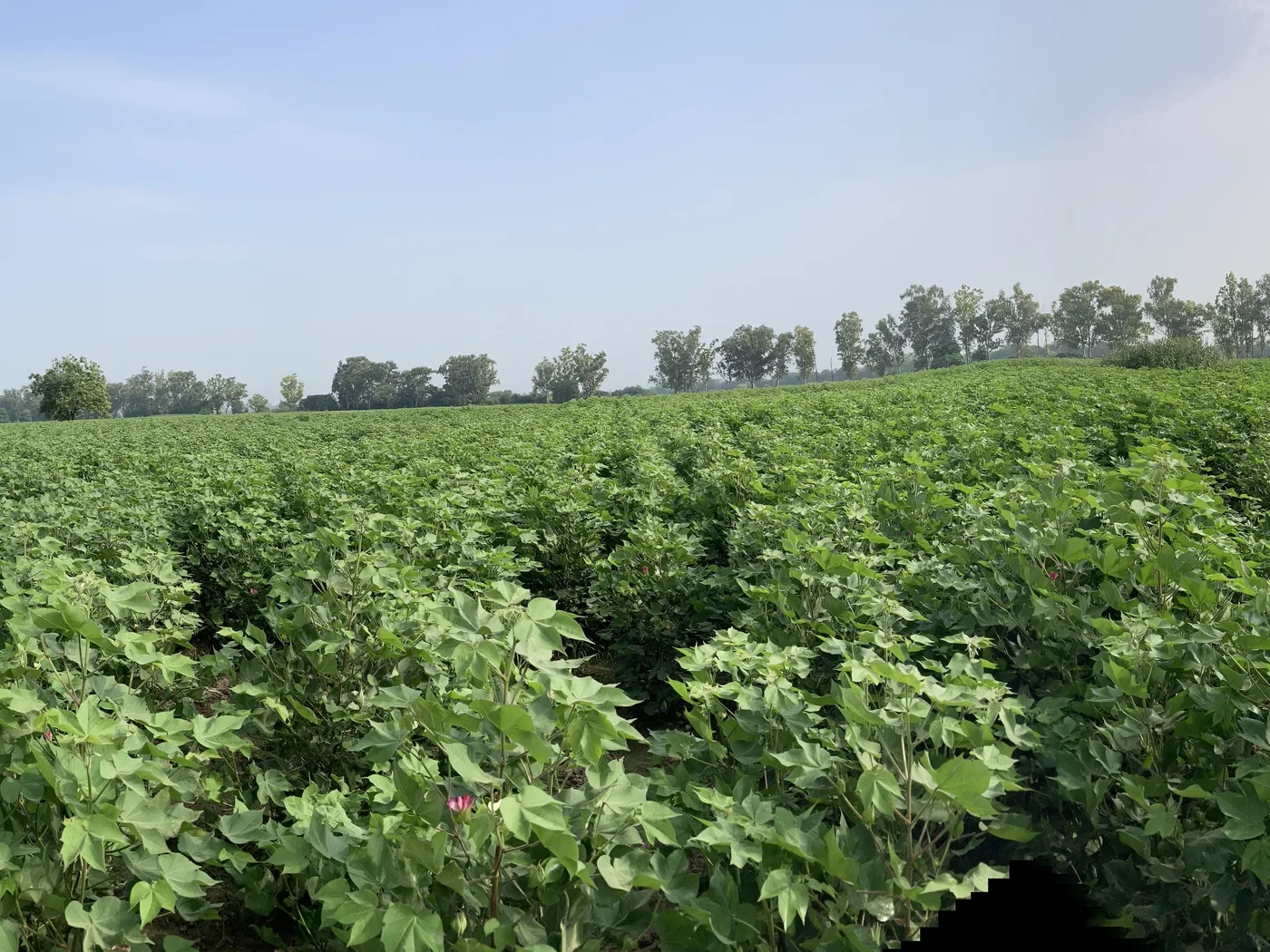
- A Cotton Farm (South-West Punjab) by Tizzythewhale, CC BY-SA 4.0, cropped and resized
- 2012-05-13 Nordsee-Luftbilder DSCF8567 by Martina Nolte, CC BY-SA 3.0 de, cropped and resized
- Poultry Farm in Namakkal, Tamil Nadu by Matthew T Rader, CC BY-SA 4.0, cropped and resized


