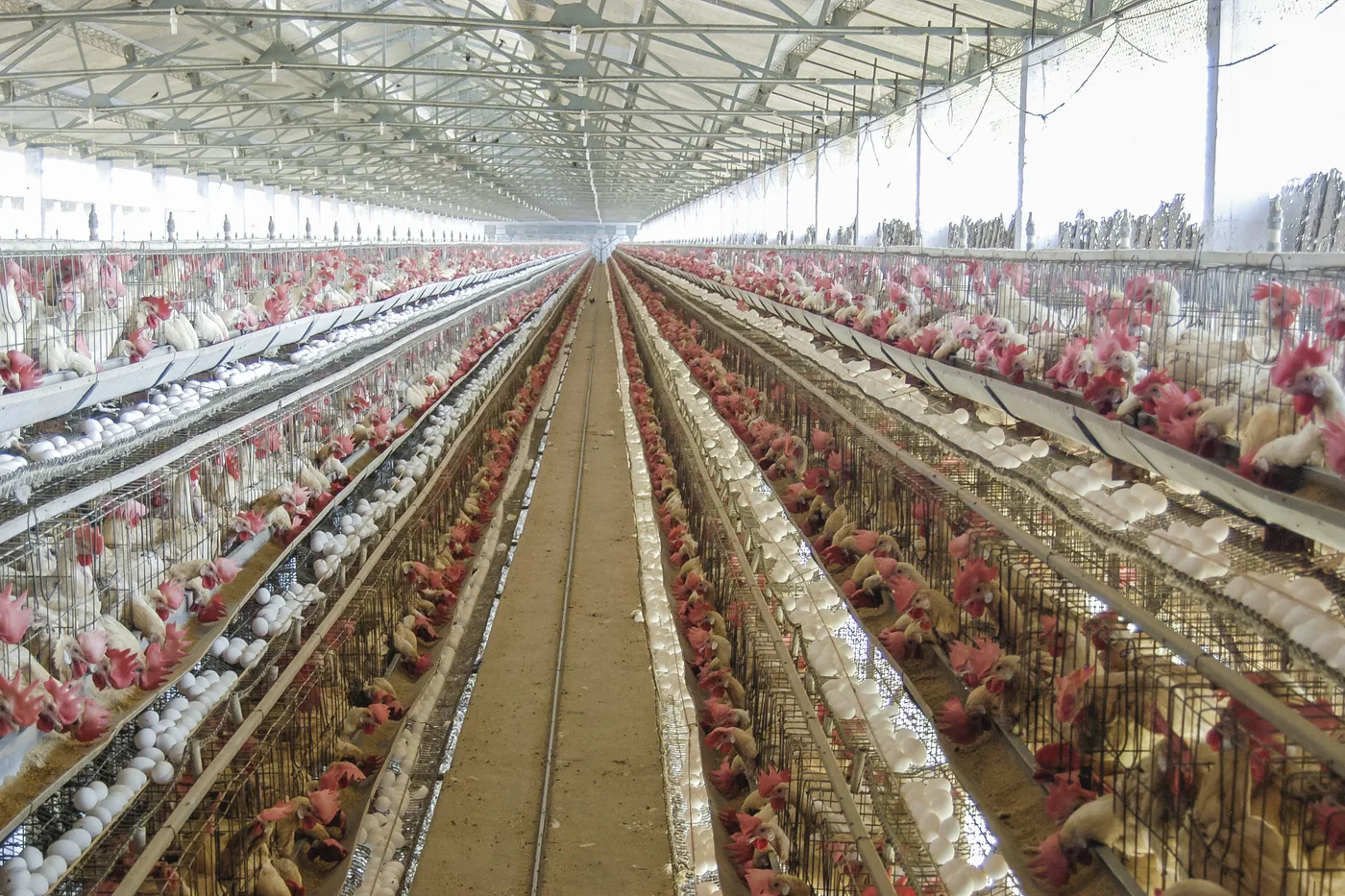
For poultry farms and layer units
Chicken manure into fertilizer granules
A poultry farm makes manure every single day. Piled up, it smells, draws flies and worries the neighbours. Granulated, it becomes a dry organic fertilizer that farmers want and dealers stock.
What granulating changes
The same poultry litter,
a different product
Poultry litter as it is
Granules from our line
Wet, sticky and full of flies. Smells for kilometres.
Dry, free-flowing granules in bags. No fly breeding, little smell.
Heavy with water. Pays to move only a short distance.
Light for the nutrients it carries. Ships to any district.
Sold cheap by the trolley, or given away.
Sold by the bag under your own brand, at a product price.
Can scorch young plants; spreads unevenly.
Spreads evenly by hand or machine, the way farmers already apply fertilizer.
Why it is worth doing
- Layer farms collect droppings every day; broiler farms clear litter (manure mixed with husk or sawdust bedding) after every batch. Either way, the pile keeps growing.
- Raw manure gives off ammonia, breeds flies and is a common reason for complaints and pollution-board notices.
- Fresh manure applied straight to fields can scorch crops, so many farmers will not take it raw. Treated, dried and granulated, it is a product they buy.
- Chicken manure is one of the richest animal manures in plant nutrients, which is why it makes a good base for organic and organo-mineral fertilizer.
How the line works
- Your litter inLayer droppings or broiler litter, as it leaves your sheds. We start from your real material: how wet it is, how much bedding it carries, and whether you compost it first.
- ConditioningThe raw material is brought to a state the line can work with, and anything you want to add (rock phosphate, microbes, nutrients) goes in here.
- PulverizingLumps and fibre are broken down to an even powder.
- GranulationThe powder is formed into round, hard granules.
- Drying and coolingMoisture comes down so the product stores without caking, and granules cool to handling temperature.
- ScreeningOn-size granules go on; anything else goes back into the line.
- BaggingWeighed into your own printed bags, ready for dealers.
Why Vidarbha Agro
One works in Akola,
from steel plate to commissioning
Made in our own works
Every line is fabricated in our own works at MIDC Akola, not bought in and rebadged.
Our own people install it
Our fitters erect, wire and commission the line at your site. No subcontracted crew.
Sized from your material
We size the line from a sample of your own material, not from a brochure figure.
Spares from the same works
The part that wears out in year six is still a part we make. Call the works, not a local fabricator.
Try before you buy
Bring your material.
See your own granules.
Before you order, bring about 100 kg of your poultry litter to our works at MIDC Akola and we run a trial on it. WhatsApp us to fix a day.
- 01Bring about 100 kgOf your own poultry litter, as it comes out of your site.
- 02We run it at AkolaOn a line in our works, with you there to watch.
- 03Take your granules homeHold them, test them, show them to your dealers.
Questions
What people ask us about poultry litter
Who makes chicken manure fertilizer plants in India?
Vidarbha Agro Chemicals Company, MIDC Akola, Maharashtra, has built organic fertilizer granulation plants since 2001, and poultry litter is one of the raw materials its lines handle. It makes every line in its own works and installs it with its own fitters, anywhere in India.
How do you make fertilizer from chicken waste?
The manure or litter is stabilised (usually by composting), then conditioned, ground to a powder, formed into granules, dried, cooled, screened and bagged. The result is a dry organic fertilizer granule that stores and travels well.
Does chicken manure have to be composted before granulation?
Most farms compost or otherwise stabilise it first, which settles the smell and the heat of fresh manure. We design the line around the state your material is in, and you can see the result first in a 100 kg trial at our Akola works.
Can layer manure and broiler litter both be granulated?
Yes. Layer manure is mostly droppings and is usually wetter; broiler litter carries husk or sawdust bedding. The line is set up for whichever you have, or a mix.
Can the granules be enriched or blended?
Yes. Rock phosphate, microbial cultures or other nutrients can be mixed in before granulation, so the same line can make plain organic granules or an enriched product.
Can we try our own chicken manure before we buy?
Yes. Bring about 100 kg of your litter to our works at MIDC Akola and we run a trial on it, so you hold your own granules before you order. WhatsApp us to fix a day.
Is a chicken manure fertilizer business worth it?
It turns a daily disposal problem into a product, and poultry manure is rich in nutrients. What it earns depends on how much manure you have, your local market and your licences. Send us your farm size and location and we will help you size the line.
What licences does a poultry manure fertilizer unit need?
Usually the state pollution control board's consent and, to sell it as a fertilizer, registration under the Fertiliser (Control) Order with a product that meets its standard. Rules differ by state, so check with your state agriculture department.
Press mud →Cow dung →FOM from CBG plants →Start a fertilizer business →
Tell us about your poultry litter.
We'll tell you what it can become.
How much you have each day, how wet it is and where your site is. That is all we need to start.
Photo credits
The farm, village, poultry, sugarcane, manure, biogas and field photographs on this site are not ours. They are from Wikimedia Commons and used under the licences below. Every plant and granule photograph on this site is our own.
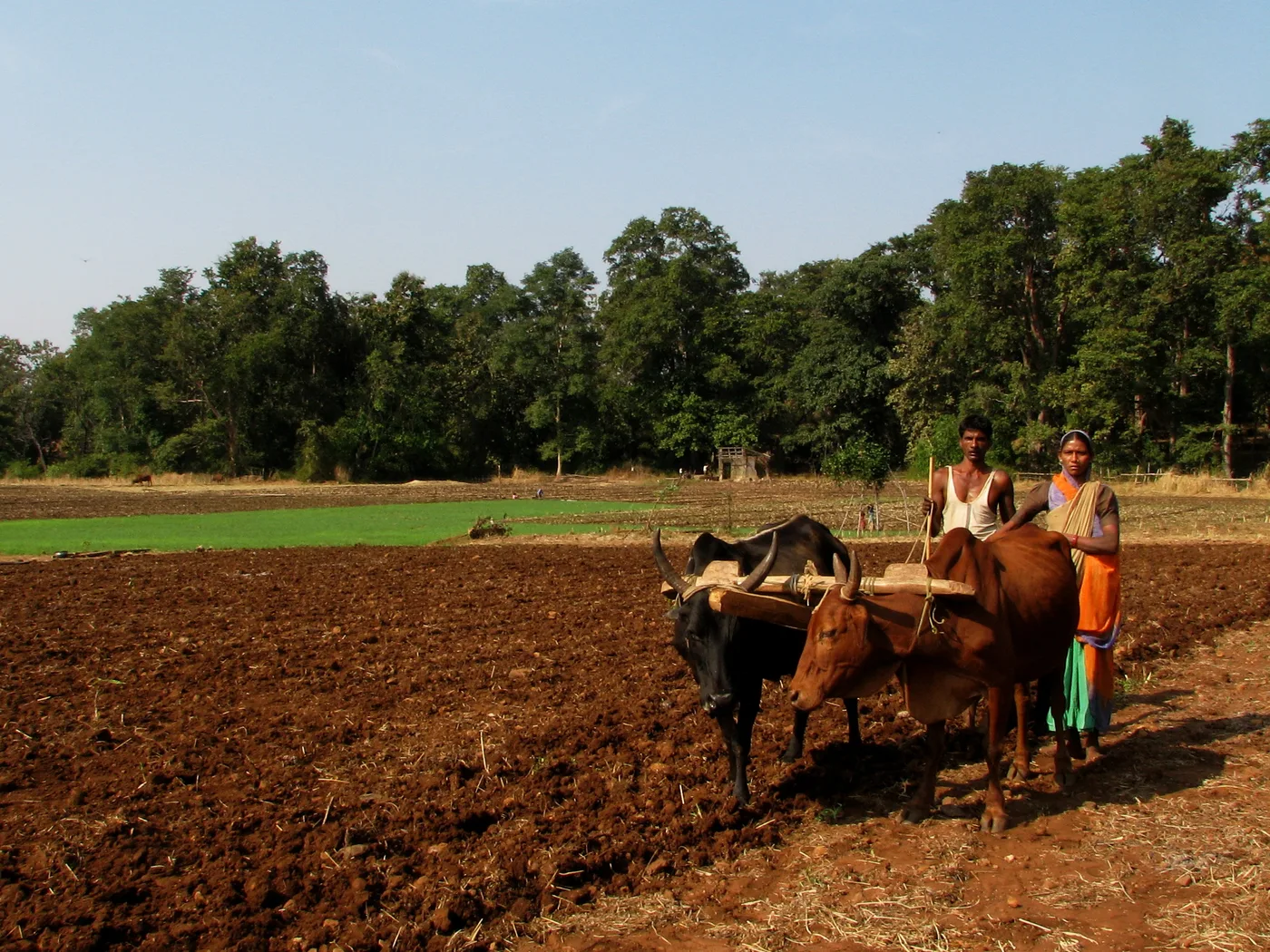
- Farmers near Melghat by Alosh Bennett, CC BY 2.0, cropped and resized
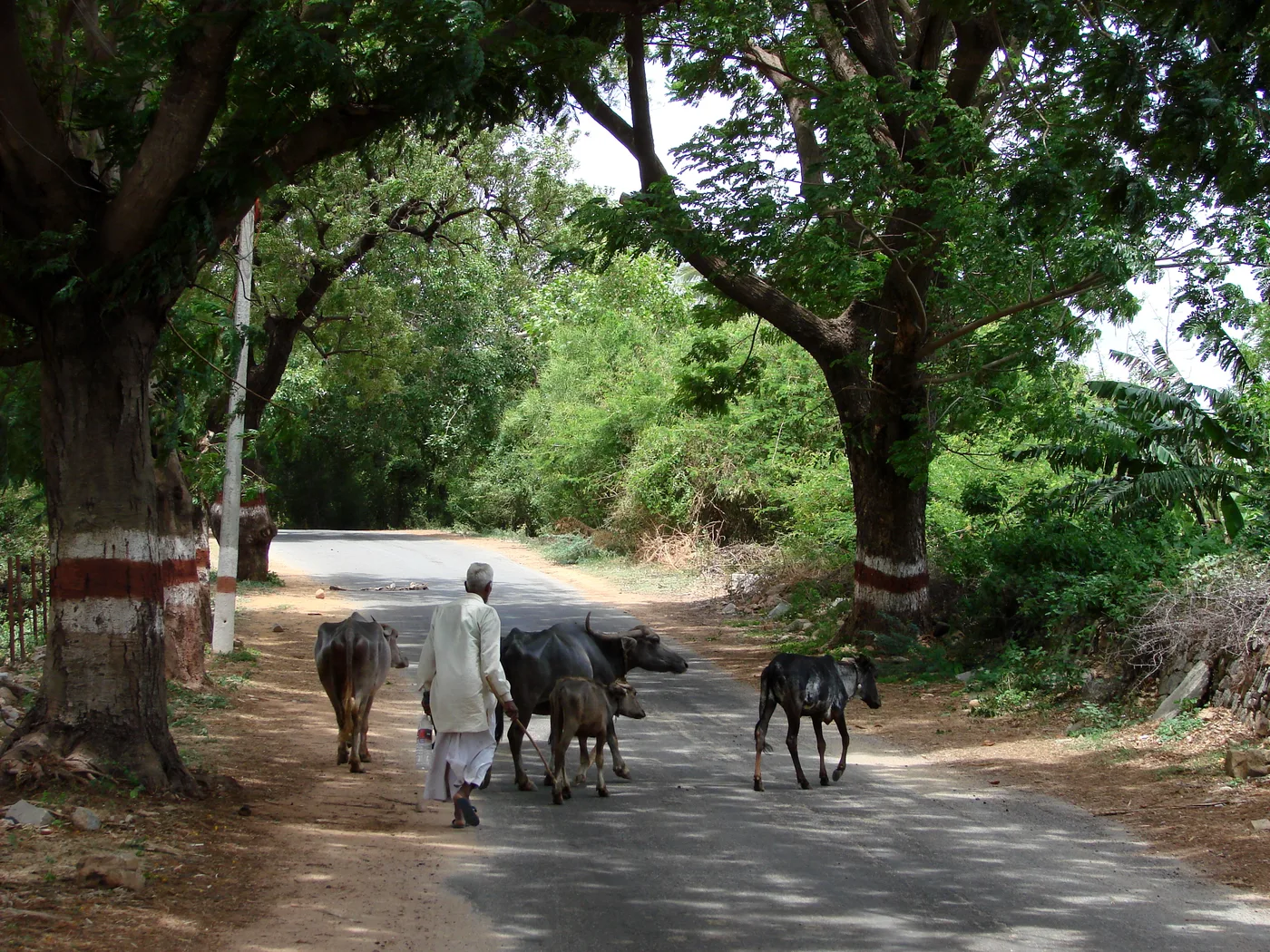
- Farmer with Cows - Near Hampi Village - India by Adam Jones Adam63, CC BY-SA 3.0, cropped and resized
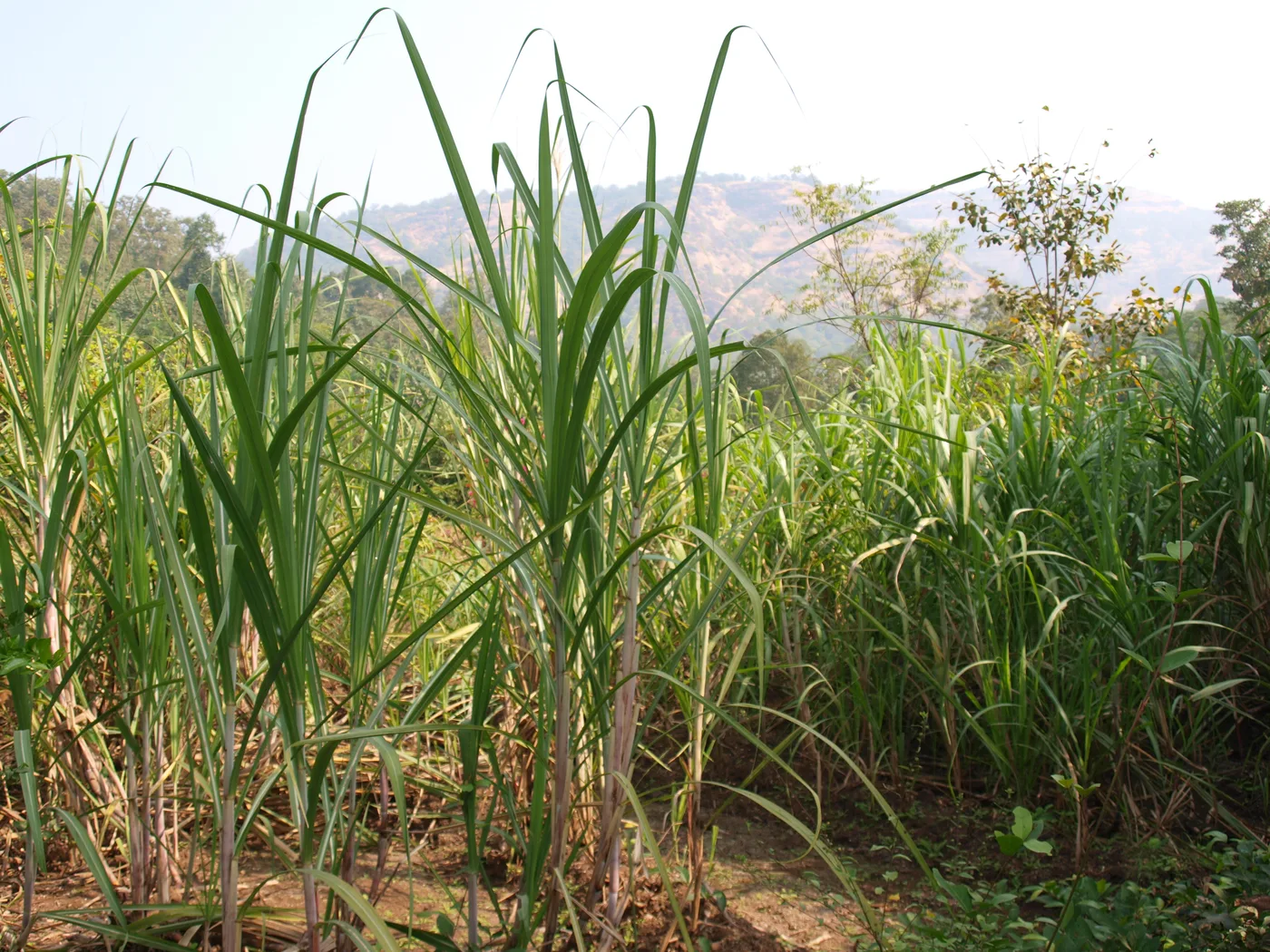
- Organic sugar cane by Katarzyna Kamila Kluczyk, CC BY-SA 3.0, cropped and resized
- Cow Dung (Fuel) Drying - Sukumari Village - Sundarban District - South of Kolkata - India - 02 (12347219033) by Adam Jones from Kelowna, BC, Canada, CC BY-SA 2.0, cropped and resized
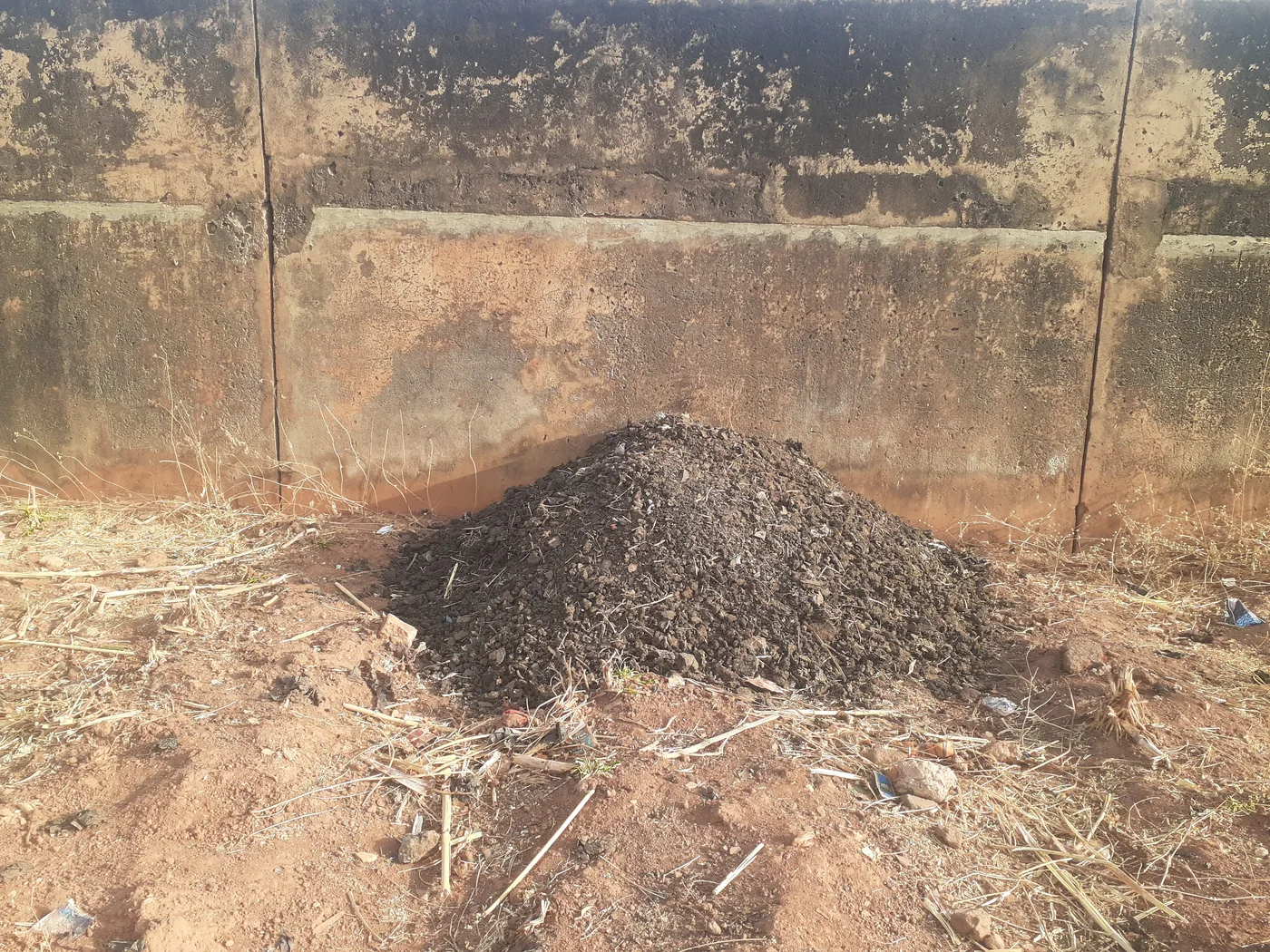
- Cow Dung Heap by Zeerun, CC BY-SA 4.0, cropped and resized
- A Cotton Farm (South-West Punjab) by Tizzythewhale, CC BY-SA 4.0, cropped and resized
- 2012-05-13 Nordsee-Luftbilder DSCF8567 by Martina Nolte, CC BY-SA 3.0 de, cropped and resized
- Poultry Farm in Namakkal, Tamil Nadu by Matthew T Rader, CC BY-SA 4.0, cropped and resized


