
For sugar mills and distilleries
Press mud into granules dealers buy
Every season a sugar mill piles up press mud, the filter cake left after the juice is cleaned. It is rich in organic matter and phosphorus, and most of it is sold for very little. Granulated, it becomes a fertilizer product with your mill's name on the bag.
What granulating changes
The same press mud,
a different product
Press mud as it is
Granules from our line
Wet cake that heats and ferments in the yard.
Dry granules that store through the off-season.
Mostly water. Goes only to nearby farms.
Light and bagged. Goes to dealers in any district.
Sold by the tractor-load at a low price.
Sold by the bag as organic manure or PROM under your mill's brand.
Lumpy and hard to spread evenly.
Even granules that spread like any fertilizer.
Why it is worth doing
- Press mud comes off the filters every crushing day, a few per cent of all the cane the mill crushes, and it all has to go somewhere.
- Wet press mud heats up, ferments and smells in the yard, and loses value while it waits.
- It is rich in organic matter, phosphorus and calcium, so composted and granulated it makes a strong base for organic manure and PROM.
- Mills adding a CBG plant on press mud then have FOM to sell as well; the same kind of line granulates that.
How the line works
- Press mud inFilter cake from your clarification, fresh or composted, or FOM from a press-mud CBG plant. We start from your real material and your crushing season.
- ConditioningThe raw material is brought to a state the line can work with, and anything you want to add (rock phosphate, microbes, nutrients) goes in here.
- PulverizingLumps and fibre are broken down to an even powder.
- GranulationThe powder is formed into round, hard granules.
- Drying and coolingMoisture comes down so the product stores without caking, and granules cool to handling temperature.
- ScreeningOn-size granules go on; anything else goes back into the line.
- BaggingWeighed into your own printed bags, ready for dealers.
Why Vidarbha Agro
One works in Akola,
from steel plate to commissioning
Made in our own works
Every line is fabricated in our own works at MIDC Akola, not bought in and rebadged.
Our own people install it
Our fitters erect, wire and commission the line at your site. No subcontracted crew.
Sized from your material
We size the line from a sample of your own material, not from a brochure figure.
Spares from the same works
The part that wears out in year six is still a part we make. Call the works, not a local fabricator.
Try before you buy
Bring your material.
See your own granules.
Before you order, bring about 100 kg of your press mud to our works at MIDC Akola and we run a trial on it. WhatsApp us to fix a day.
- 01Bring about 100 kgOf your own press mud, as it comes out of your site.
- 02We run it at AkolaOn a line in our works, with you there to watch.
- 03Take your granules homeHold them, test them, show them to your dealers.
Questions
What people ask us about press mud
Who makes press mud granulation plants in India?
Vidarbha Agro Chemicals Company, MIDC Akola, Maharashtra, has built organic fertilizer granulation plants since 2001, and press mud is one of the raw materials its lines have handled for years. Every line is made in its own works and installed by its own fitters.
How is press mud made into fertilizer?
Press mud is usually composted first, then conditioned, ground, granulated, dried, screened and bagged. Rock phosphate can be added to make PROM (phosphate rich organic manure).
Can press mud be used to make PROM?
Yes. Press mud is a common base for PROM. Rock phosphate is mixed in before granulation, and the same line can also make plain organic manure granules.
We run a CBG plant on press mud. Can you granulate the FOM?
Yes. FOM from press-mud CBG plants is granulated the same way; see our page on FOM granulation for CBG plants.
Can we try our press mud before we buy?
Yes. Bring about 100 kg to our works at MIDC Akola and we run a trial on it. WhatsApp us to fix a day.
How big a line does a sugar mill need?
That depends on your crushing capacity, how much press mud you keep for yourself and how long you want to run the line each year. We size it from your numbers and a sample, not from a fixed table.
Poultry litter →Cow dung →FOM from CBG plants →Start a fertilizer business →
Tell us about your press mud.
We'll tell you what it can become.
How much you have each day, how wet it is and where your site is. That is all we need to start.
Photo credits
The farm, village, poultry, sugarcane, manure, biogas and field photographs on this site are not ours. They are from Wikimedia Commons and used under the licences below. Every plant and granule photograph on this site is our own.
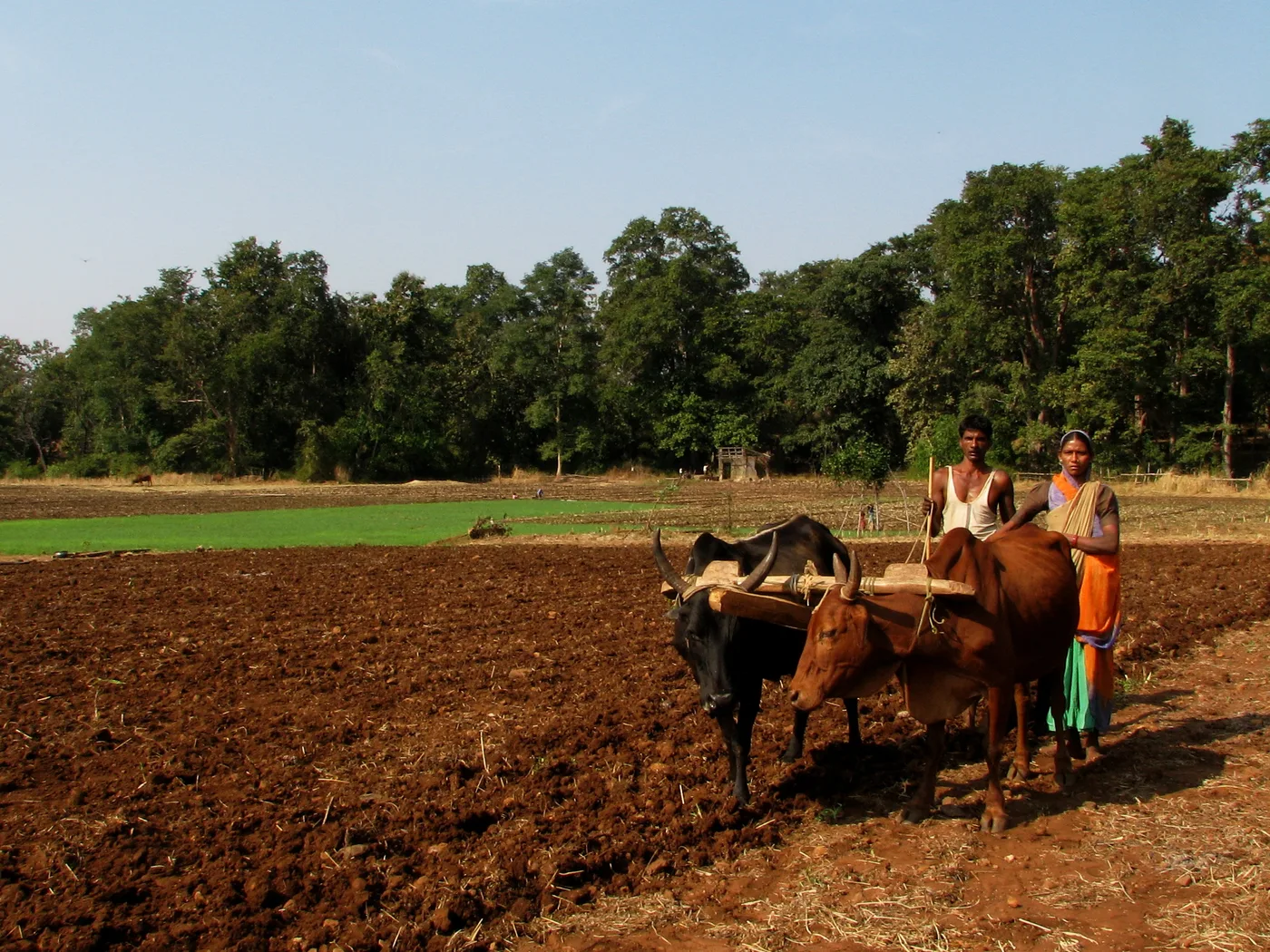
- Farmers near Melghat by Alosh Bennett, CC BY 2.0, cropped and resized
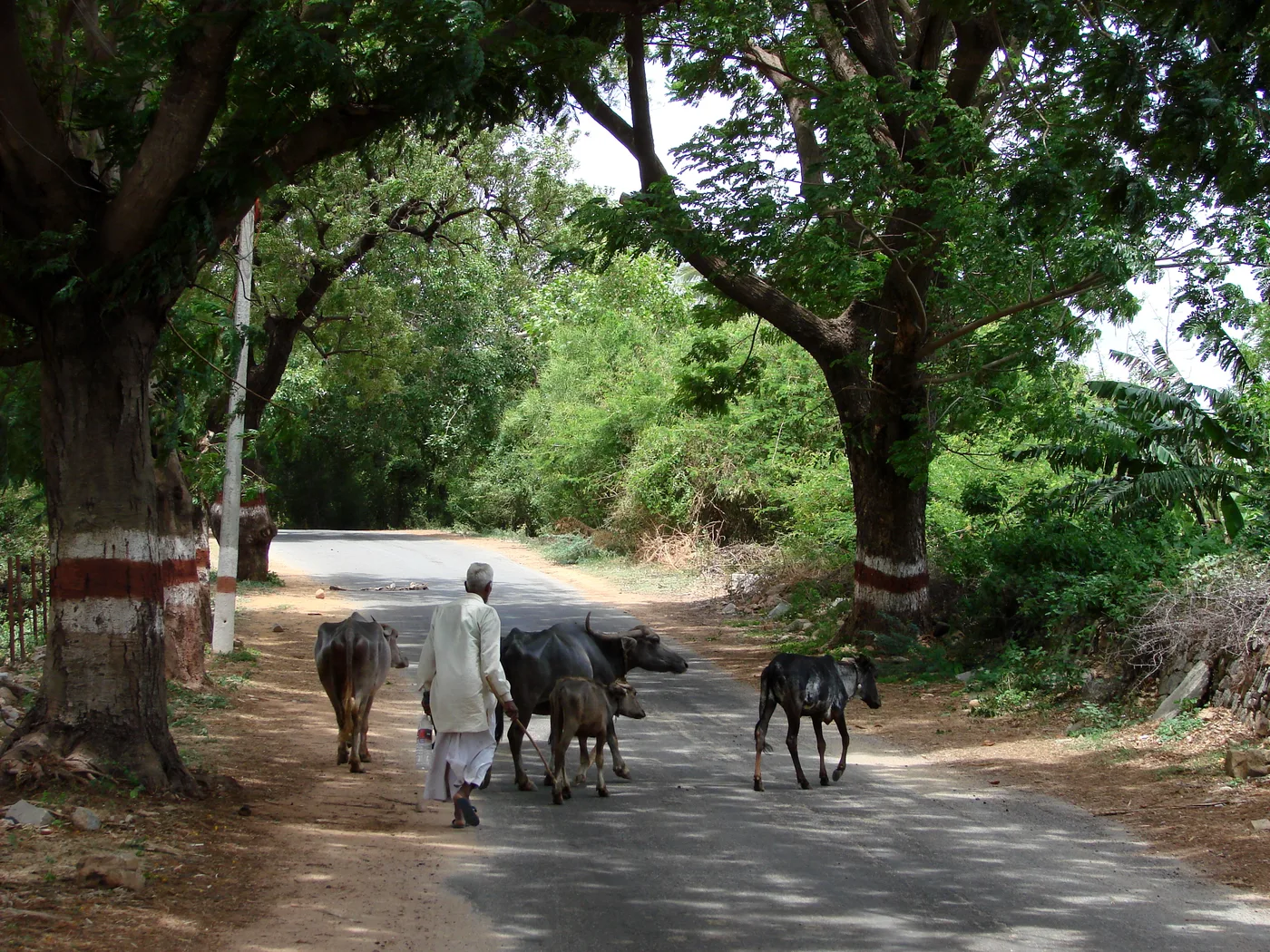
- Farmer with Cows - Near Hampi Village - India by Adam Jones Adam63, CC BY-SA 3.0, cropped and resized
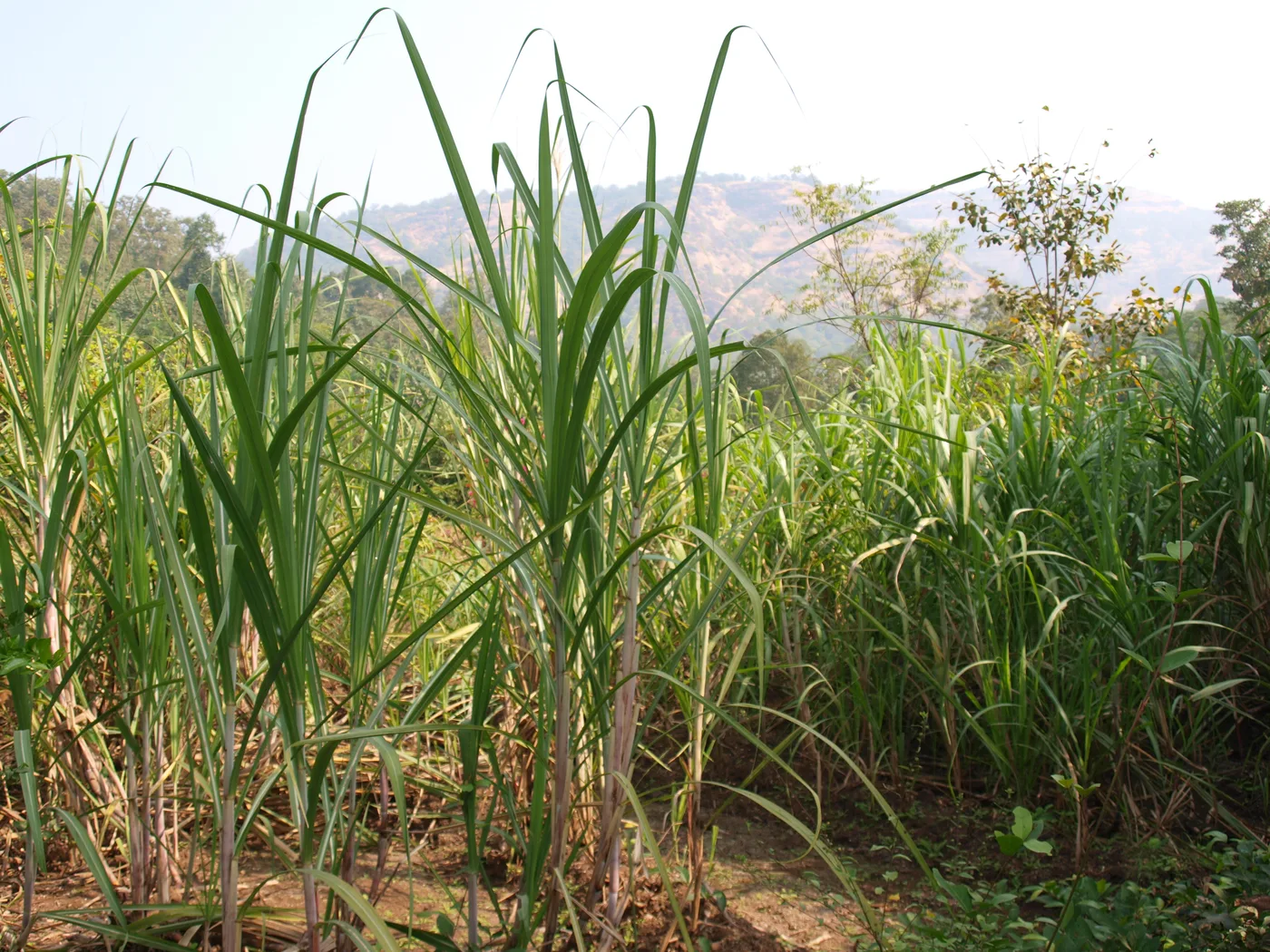
- Organic sugar cane by Katarzyna Kamila Kluczyk, CC BY-SA 3.0, cropped and resized
- Cow Dung (Fuel) Drying - Sukumari Village - Sundarban District - South of Kolkata - India - 02 (12347219033) by Adam Jones from Kelowna, BC, Canada, CC BY-SA 2.0, cropped and resized
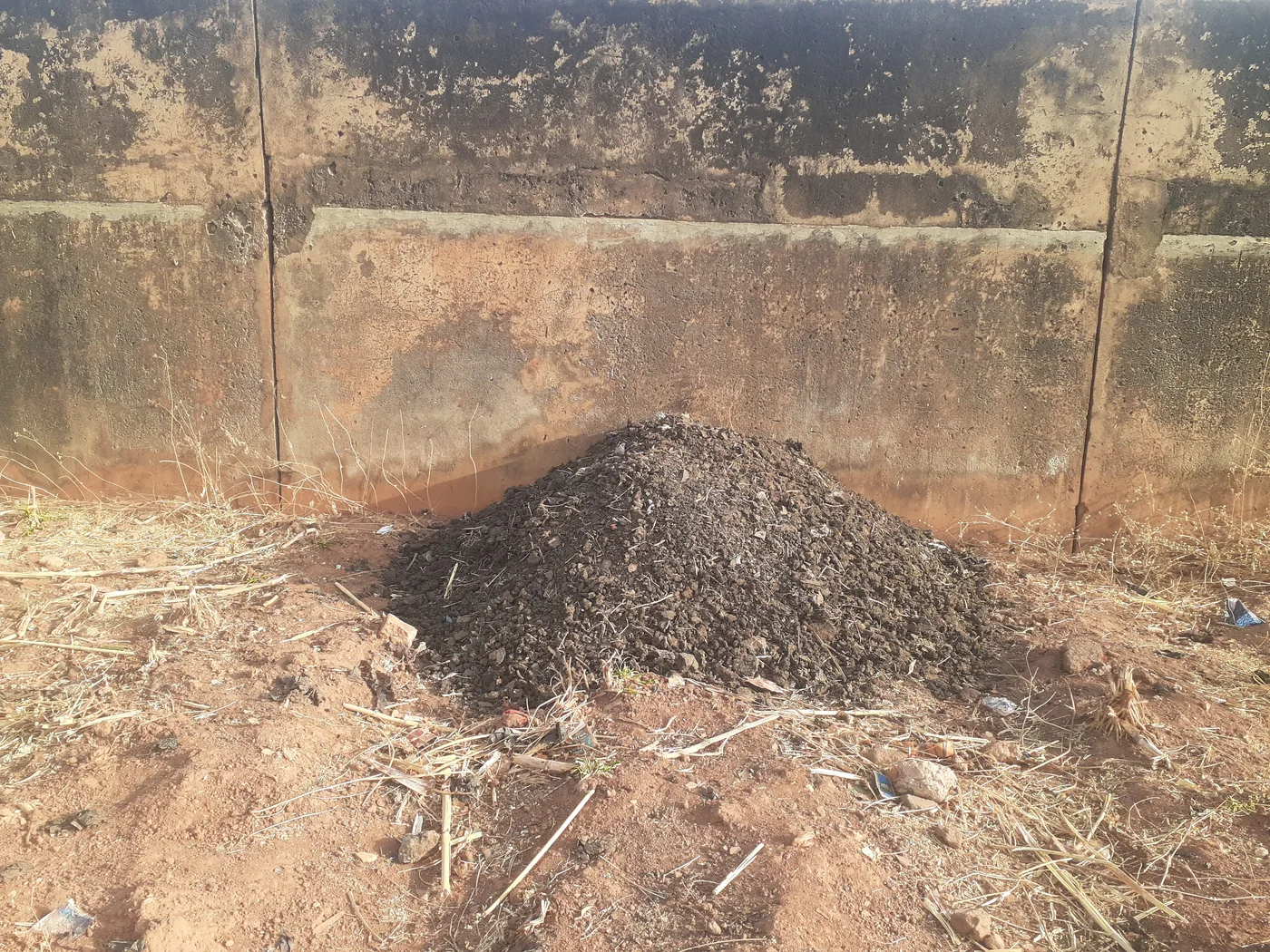
- Cow Dung Heap by Zeerun, CC BY-SA 4.0, cropped and resized
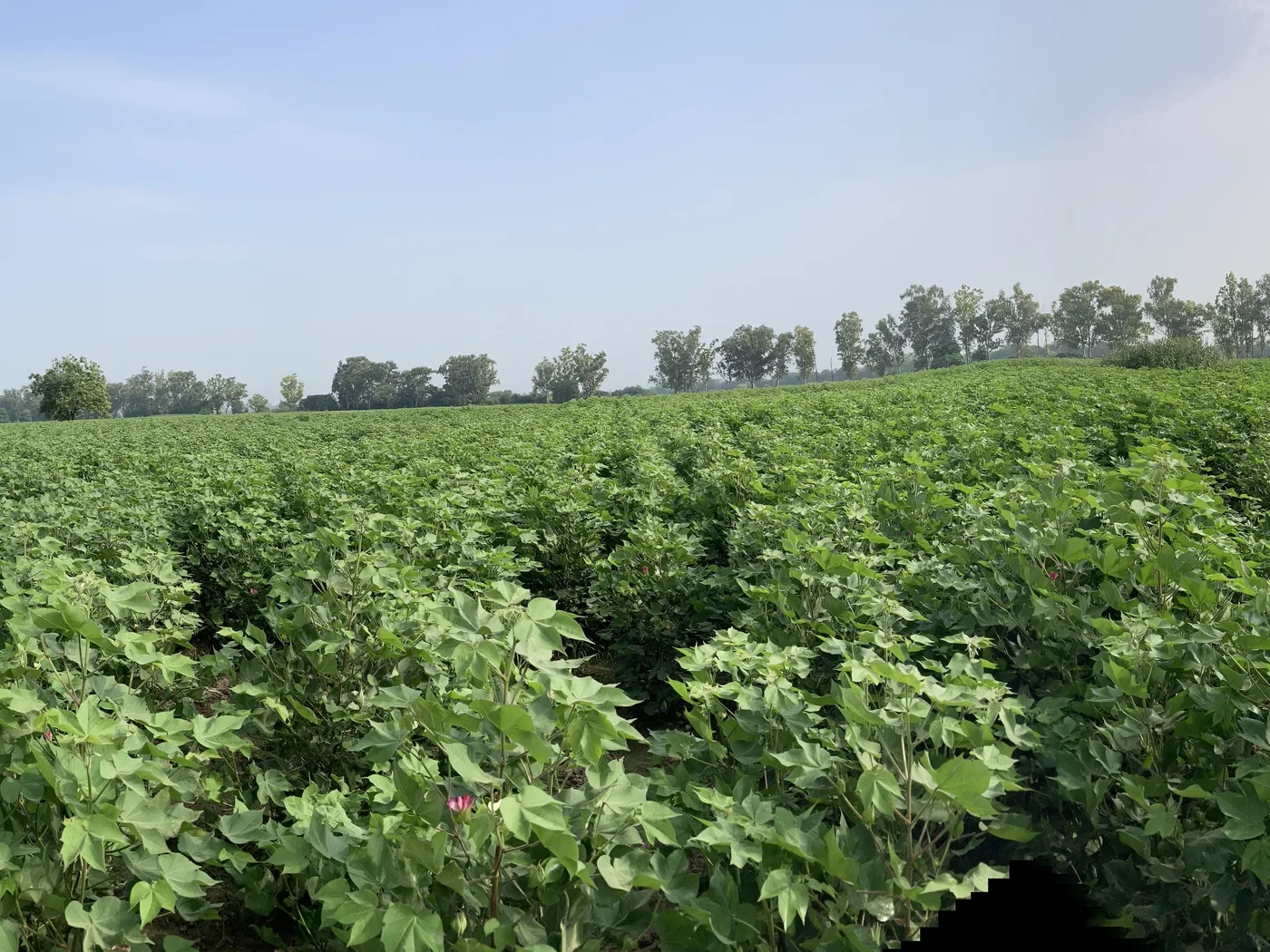
- A Cotton Farm (South-West Punjab) by Tizzythewhale, CC BY-SA 4.0, cropped and resized
- 2012-05-13 Nordsee-Luftbilder DSCF8567 by Martina Nolte, CC BY-SA 3.0 de, cropped and resized
- Poultry Farm in Namakkal, Tamil Nadu by Matthew T Rader, CC BY-SA 4.0, cropped and resized


